



Let’s face it, the film and games markets have become saturated. Whether you’re a seasoned 3D artist or just starting out, you’ve probably considered other industries where your 3D production skills can earn you a career. If you are seriously considering other niches, you might want to look into the medical animation industry. It’s a big business. It forms a huge chunk of the non-entertainment computer animation industry which amasses around to $15 billion in revenue every year.
Animation plays a crucial role in medicine by enhancing visual communication and education. Through medical animation, complex medical concepts and procedures can be simplified and visually explained, making it easier for healthcare professionals and patients to understand. With its ability to depict anatomical structures, physiological processes, and medical devices accurately, animation serves as a valuable tool in the field of medicine, aiding in research, training, and patient education.
Medical Animation – What is it and what’s it for?
Before we talk about medical animation, try to imagine your red, fist-shaped heart. Can you see it in your mind’s eye? How can the whole be divided into discrete parts, ventricles with discrete functions and how each moves in relation to each other part? Blood moves through it and through the network of arteries and veins. Can you see that plaque buildup specifically inside a tiny area in one of your arteries? See how the blood flows, slowing down at that part and the pressure increasing? Can you visualize how all this can lead to a heart attack?
Not everyone can imagine things visually. Also, words and 2D pictures are not enough to communicate technical images. As a 3D artist, you know this first-hand. Aside from videos of dissections or surgeries, doctors can show medical processes through other means such as x-rays, MRIs, and ultrasound but it’s never a clear image for us non-doctors. It’s true that even seasoned doctors need medical visual communication. But more importantly, patients and medical students who lack hands on experience need to see this type of visual aid in intricate 3D detail as opposed to one dimensional, static illustrations, or blurry x-rays and ultrasound. In medicine, seeing the smallest movement and seeing things in different, impossible points of view can mean the difference between life and death.
3D medical animation is probably the fastest, easiest, most detailed way to make patients, medical students, and laypersons understand medical processes. Take, for example, the process of angioplasty, a way of treating heart diseases (like that heart attack we asked you to imagine). It’s done by inserting a catheter into your veins to help unblock the plaque buildup. Even if tiny cameras can now fit inside veins to show this process, it wouldn’t be as clear if the process isn’t shown as an animation. And this is just one instance where medical visual communication is most needed.
But it’s not just simulations for patient education. It has many uses especially in selling medical equipment, medical services and medical products, a very lucrative industry. If you are looking for more on the specific uses of medical visual communication, watch out for the next article in our series for this topic.
History of Medical Visual Communication: the Marriage of Art and Medicine
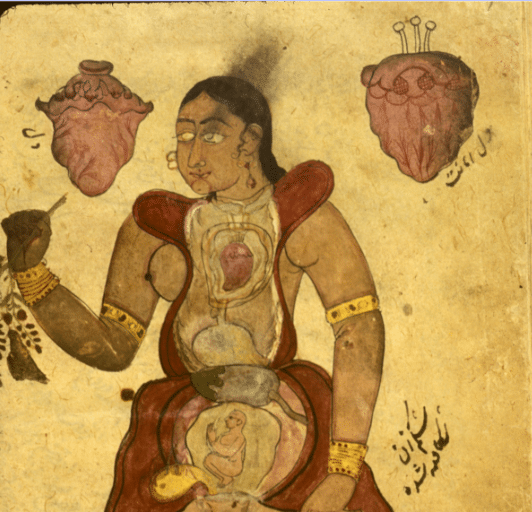
In the same way that religion and art have always been intertwined, so has art and science. Artists, especially 3D artists, understand a lot more than just perspective and colors. We also understand the physics of light and matter. Artists have always been naturally interested in the human body and have been illustrating body parts since ancient times. Ancient Egypt, Babylonia, China and India had produced illustrated recordings of their medical practices, but drawing from animal anatomy. Greece of course has contributed a lot. Herophilos, a Greek, is known as the first serious anatomist and began dissecting human cadavers. But because of superstitious beliefs about the human body, we wouldn’t see too many anatomical drawings till much later.
In the subsequent Medieval age, human dissections were performed on corpses of criminals. Dissections were done by barber-surgeons, not the anatomists themselves. The anatomists and their students wouldn’t even stand stand close enough to get a good look. They would just read from the ancient anatomist Galen’s books and dictate how the barber should dissect the corpse. But soon, this would be challenged by Andreas Vesalius who found that Galen’s books, the bibles of anatomy at the time, actually had an astounding amount of mistakes no one bothered to question. Andreas Vesalius came in at the cusp of the Renaissance when the spirit of free thinking started to burn bright, and Art and Science had begun to inform each other in unprecedented ways.
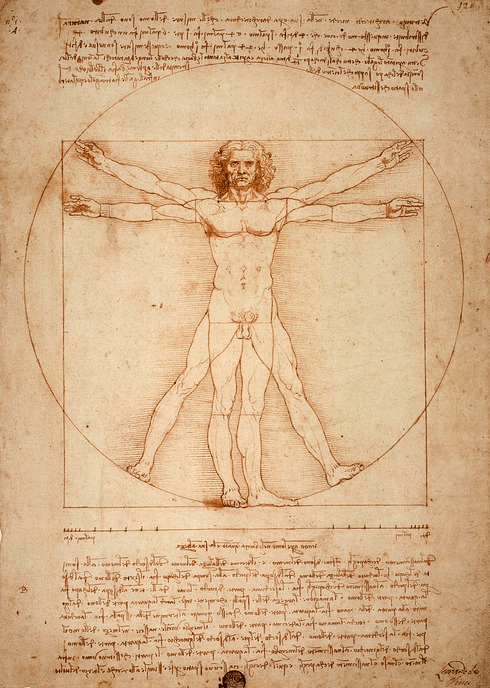
There’s probably no other more famous man who shows the marriage of art and medicine as Leonardo Da Vinci. His famous unpublished studies on the human form had led to their share of important discoveries. Several inventions and medical methods used today are thanks to his ideas and studies. He and other Renaissance men paved the way for deeper study, and Medical literature that contained accurate and artistically beautiful illustration.
But each time new technology for imaging anatomy was invented, there were huge leaps in medical science and countless lives saved. Most of the time, the invention of these technologies was motivated by art and artists. For example, when color printing in the 19th Century had become more accessible, anatomical illustration was transformed. Simple Animation was then explored. The flip book, and other old-timey animation machines, were eventually used to show moving medical and biological processes.
In the 20th Century, a Fine Arts Graduate from Germany began illustrating for Medicine, and gained a reputation for the detail in his drawings. This man was Max Brodel, who eventually oversaw the creation of the first Department of Art for Medicine at the John Hopkins Medical School.
In 1970, Disney Imagineer, and painter, Frank Armitage would later use his anatomical knowledge to create medical illustrations, which were used in animation footage.The 1970’s also saw the beginning of 3d in computer animation, and by the 90’s this technology has been used to show unstoppable liquid metal terminators, Jurassic Park dinosaurs and blocked veins in medical visualizations.
Modern Day 3D Medical Visual Communication
Of course, the great developments in computer technology led to computer animation. The cumulative effect of all these developments was visible in visual communication across many industries, including medicine. The present era is often called the golden age of CG animation, and this is true for its use in medical visualization as well. Studios like Ghost Productions, Random 42 and Vessel Studios create Animation and Illustration for Medicine at a caliber that stands up to VFX in entertainment.
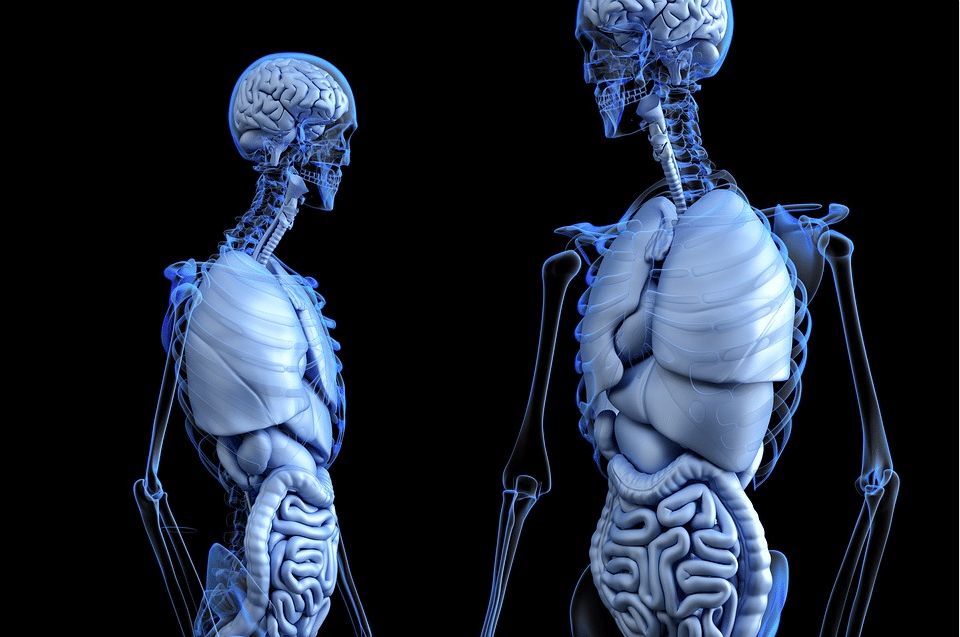
Medical Illustration is a recognized specialization in many academic institutions worldwide. Curriculums are designed to integrate the scientific and art disciplines. A Medical illustrator’s toolkit today contains the same image manipulation, video editing and 3d programs used everywhere else.
Medical Visual Communication is often used for education and promotional purposes. Probably the most recognizable use is in drug commercials. You can also see it in healthcare brochures, high school textbooks, documentaries, and educational videos.
Medical Visualization Part 2 of 3: Uses
Patients’ Education
It’s not immediately obvious why this trend exists. Why would patients need Medical Animation for education? To understand this, let’s use an example that hits close to home: carpal tunnel syndrome. Digital artists know and fear it. Do you know what causes it? “Well, because I use a mouse too often in my work as an artist. Duh.” Yeah sure, but how much help does that sentence give you if you want to pinpoint the exact movement, angle, or hand position that sets off carpal tunnel? What if you want to avoid it; is there a correct angle for your wrist? If you saw gloves that supposedly prevent carpal tunnel, would you buy them? If they are cheap, probably. But if they cost thousands of pounds or dollars, you might reconsider right?
Some medical conditions, even those that are not life-threatening, can be solved by surgical procedures or treatments that cost thousands. Whatever patients are suffering from, one would think that all patients will want to get treated, no matter the cost. But that’s not always the case especially when we are talking about painful or complicated procedures, surgery, or expensive treatment.
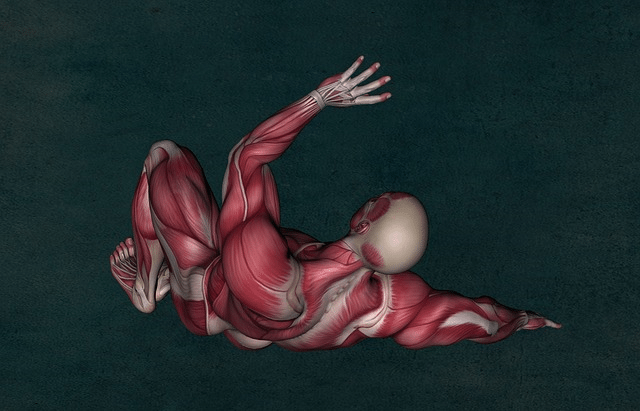
If patients can’t clearly grasp how something is going to help them, they won’t trust it. They might even opt for easier, less painful methods or even choose to live with their disability. They might even flat out deny to themselves that they need treatment (just think about anti-vaxxers, some of them might be impossible to convince, but if things were explained to them in nearly concrete, visual terms, they might just be turned).
Patient education is a growing trend not only for surgical procedures. Many new and old pharmaceutical mechanisms, drugs, and treatment methods need medical animation for patient education so that the treatment would be easy to explain (and sell) to patients. You’ll find these on TV, doctors’ offices, medical websites, and in hospital waiting rooms. So, for big pharmaceutical companies that want to sell their new treatment, they usually use medical visual communication to sell either to patients or to medical professionals who would use them and recommend them. That’s why this is a growing industry that is not likely to dry out any time soon.
Aside from creating detail, it’s also about being more entertaining. Think of those commercials that anthropomorphize diseases and germs, turns them into snickering trolls or little buggers with ill intent. They then characterize medicine, pills, or white blood cells as soldiers or superheroes coming to save the day.
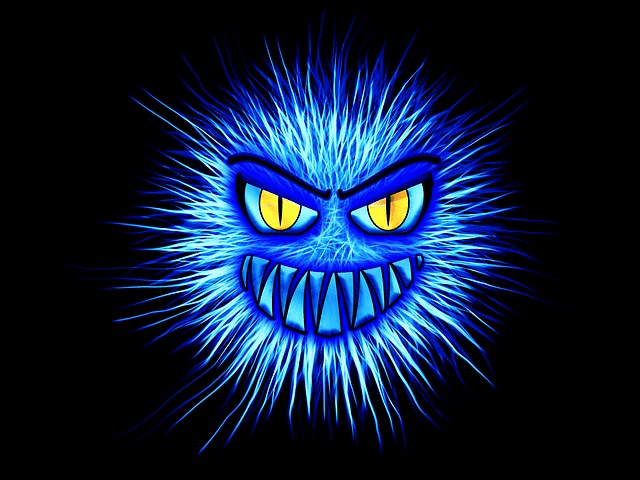
For a clearer picture of the size the medical animation B2B and B2C markets, think about how many new medical equipments are being made everytime a new tech or drugs are invented. It’s virtually an endless market of new products, treatments, and equipment. The B2C market application for medical visual communication is marketing over the counter medicine or other mass market medical equipment for home or personal use. These typically require strong visual marketing. B2B market include specialized or prescription drugs and treatments as well as high tech and extremely expensive hospital or doctors’ equipment.
Doctors’ Education
Doctors start out as students so they obviously need education too. To understand medical simulation, think about it as video games for medical students. That’s a fast way to learn, without needing to practice on dead bodies. You can now have incredibly accurate animated cadavers instead. There are some simulations that are not controlled and are essentially videos that can teach surgical concepts in depth. Without a great focus on hyper-detailed animation, these concepts can’t be taught as effectively.
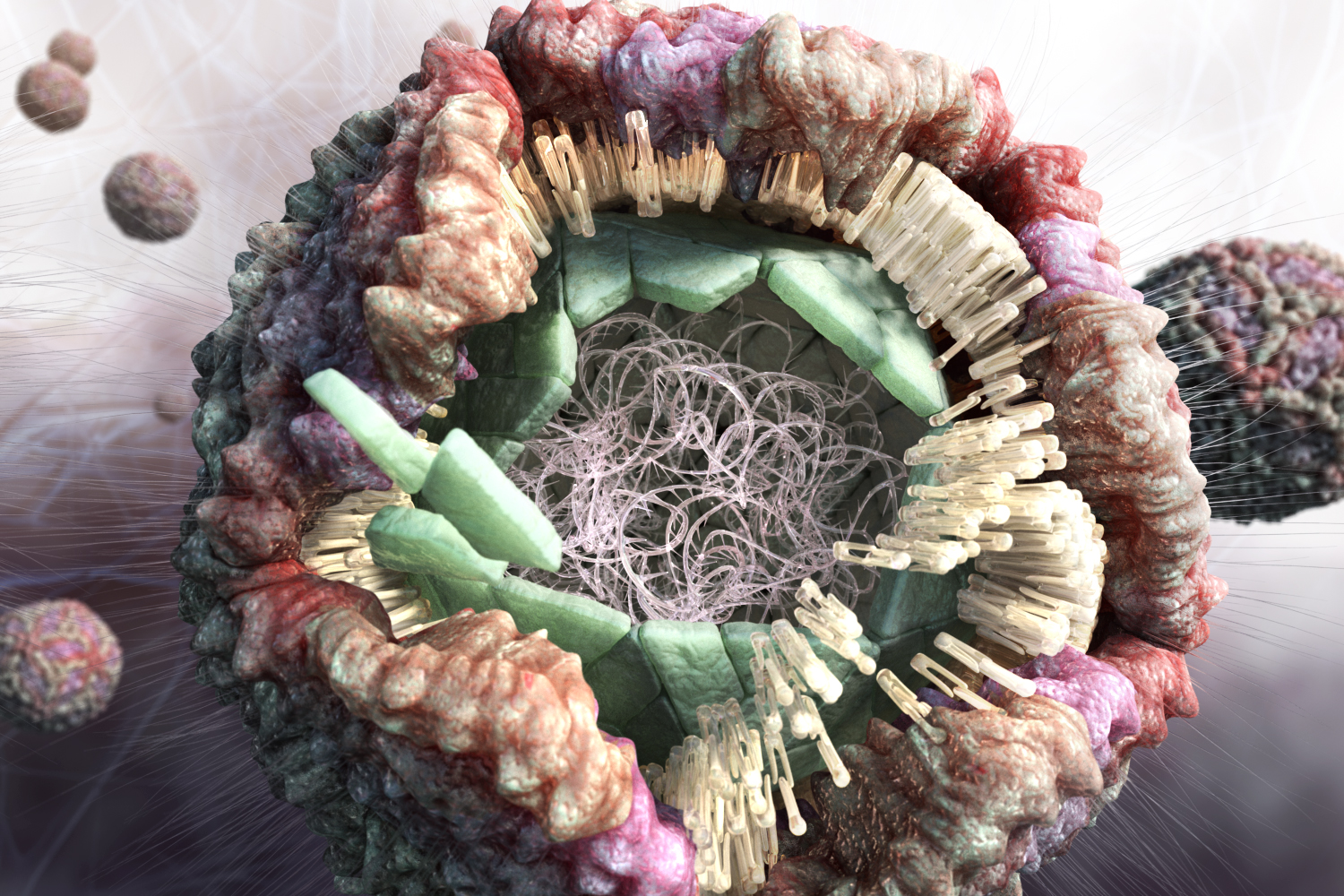
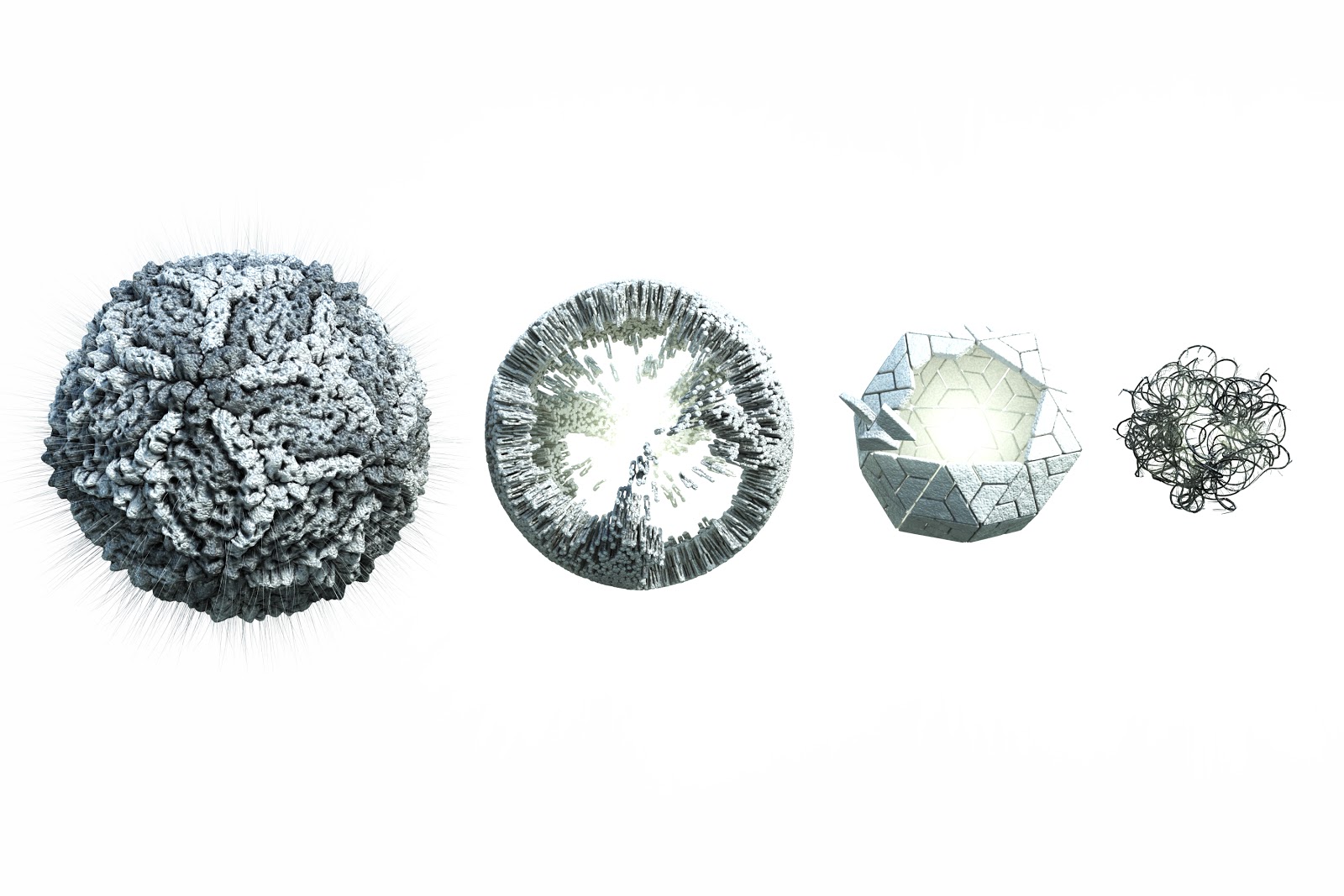
Medical animation can help teach surgery, emergency care, and general medical concepts. One of the most popular is cellular and molecular animation. The miniature world of biological drama is just as unfamiliar and alien to us as outer space. Microscopic processes shouldn’t be taught in a vague way because smaller details of small details of small details, matter a lot when talking about DNA or other sub cellular and cellular phenomenon. DNA, molecules, and atoms are obviously never going to be clearly seen in literally any other way.
Forensic reenactment or reconstruction
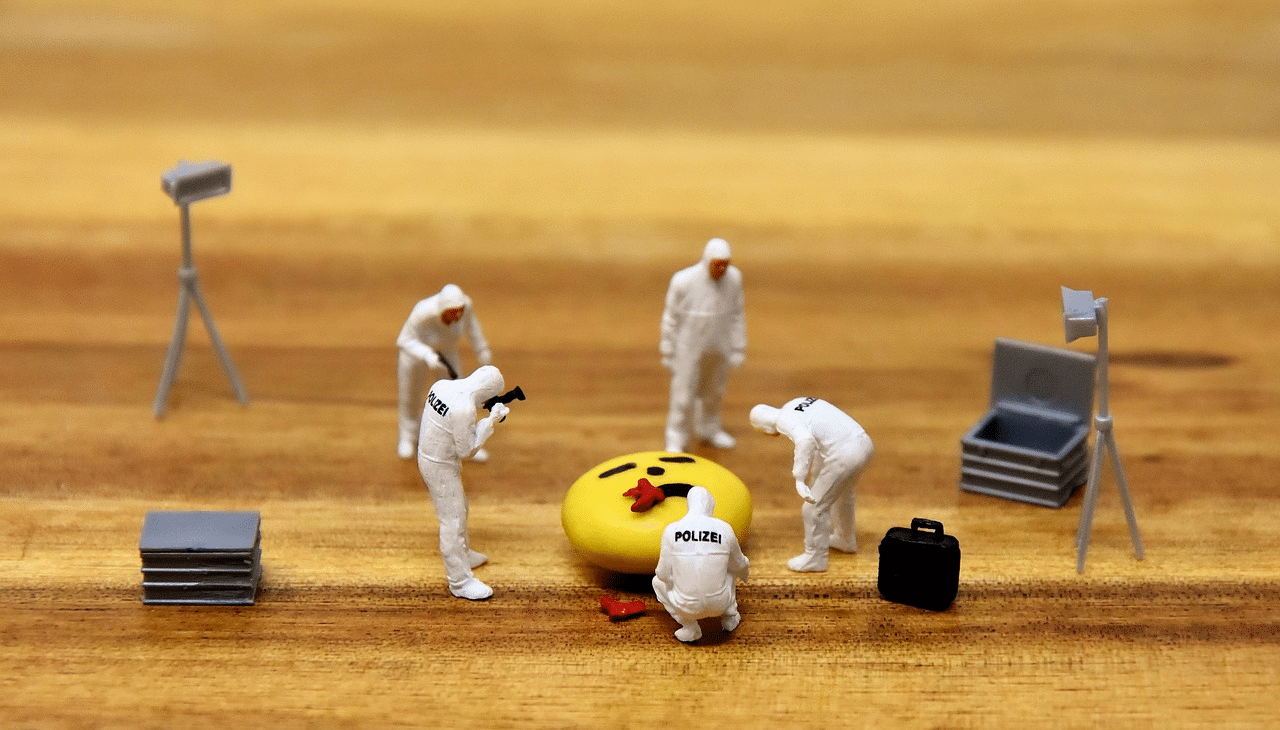
If you’ve ever seen an episode of House or CSI (or for a more current reference, The Good Doctor), you’ll see a lot of medical animation. Most of the time, these shows will show a reenactment of exactly what went wrong in the victim or patient’s body. Visualizing the cause of death in a post-mortem investigation for example has a big impact in field of forensics whether for solving crimes or archaeological mysteries. You can also recreate a crime if you are a detective and show how the victim died, for example. But you can also recreate how a specific medical complication occurred as well. This is the field where 3D mographers and 3D VFX artists are even more in demand because the reenactment need to be animated with accurate physics.
Key Takeaway
Things happening inside your lungs, things happening in your bloodstream, things happening inside your cells, and even things happening in the level of DNA cannot be photographed and therefore need to be illustrated and animated. Imagination can only go so far, but with this fusion of science and art, we are literally able to push the boundary of the layman’s imagination. That’s not some cliché expression because most of these medical events really are beyond our imagination. It’s just like when one of your non-designer friends watches as you do modeling with your favorite 3D software, they have NO clue what’s going on. It’s all Greek. That’s exactly how a biologist or a teacher of bleeding edge medical science feels when trying to explain things to students or to a board that will offer him or her a medical grant. It’s also what a lot of doctors experience when trying to explain some concepts with their patients. It’s a completely different language or code. And as a 3D artist working in the field of medical animation and visual communication, you are the translator. As you know, the faster one can render any code, the faster the medical world can progress and the more lives will be saved (yes, we just made a gratuitous comparison here about render farm speed).
If you want to get more insights on the software and on what it takes for someone to enter into the field of medical visual communication or medical animation, then watch out for our 3rd article. Like us on facebook where we post our newest articles and other helpful content for all 3D professionals.
Medical Animation – Vessel Studios from Vessel Studios on Vimeo.
Medical Visualization Part 3 of 3: 3D tools
We’ve come to the last part this article. You’ve learned about the origins of art, design and visualization in Medicine, their uses in the industry today, and the amazing work leaders in the field have created, thanks to the same advancements in computer graphics we enjoy in film and games. If you’re looking to try your hand at this rapidly evolving market, here are some things to keep in mind as you embark on your journey to become a Medical Illustrator and Animator.
3d Tools of the Trade
Any sort of render created in 3d will adhere to a workflow involving time spent modeling, texturing, lighting, animating (for animations) and rendering an image (or image sequence). For medical illustrators and animators, however, versatility and a strong motion graphic oriented toolset are key. Here’s a rundown of what a medical visualizer might want in his or her pipeline, and the software that can get each job done.
Modeling
In Architectural Visualization, a modeling hurdle might come in the form of a particularly ornate piece of furniture. An asset being created for film might also require some serious poly-pushing, but for medical renders, an anatomically accurate heart or skeletal system is often the order of the day. Modeling such complex forms necessitates some serious skills and some serious tools. In this regard, MODO’s selection operations, snapping and direct and procedural modeling feature set can come in handy. If you prefer to sculpt first, then retopologize after, you can do that in MODO as well!
Shading/texturing
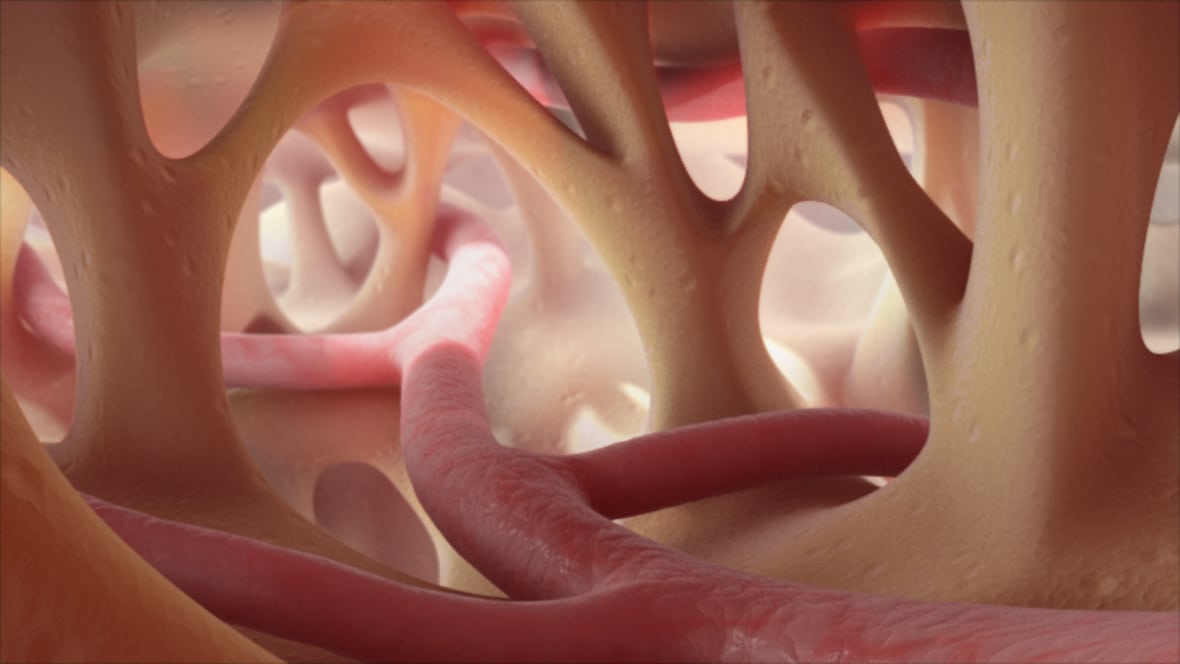
Most forms a Medical Illustrator or Animator would need to create possess surface characteristics that are very complex. Sub-surface scattering and capillaries beneath tissue are only some of the material creation challenges a medical render could present. The ability to work with procedural textures intuitively, and with a viewport that updates with changes smoothly is something the Substance product line is renowned for. Allegorithmic’s Substance Designer and Substance Painter are the industry standard for authoring materials and texture painting respectively. Both use Physically Based Rendering real-time viewports, and on top of that, Substance integrates with Maya, 3ds Max, Cinema 4d, and MODO.
Lighting
Lighting your meshes is something you can do with any 3d suite, but access to a variety of premade light setups come in handy when you’re pressed for time, or want to iterate through some presets to find out what direction you want to go. Software with good add-ons for lighting rigs include Cinema 4d with Light Kit Pro, MODO with SLIK, and Blender with Pro-Lighting Studio.
Animation
Since Medical Animation usually features microbiological processes or anatomical systems, we’re less likely to need sophisticated character controls and pose breakdown features boasted by programs known for their animation tool sets, but would more likely be interested in programs with tools geared towards motion graphics. Here, Maya’s MASH system and Cinema 4d’s Mograph tools stand out. Dynamics, instance and transition based animations are the name of the game, and these two applications are perfect for this.
One thing to be said in favor of Cinema 4d is its integration to Adobe After Effects that comes in the form of Cineware. The seamless link it provides between the two applications can make a huge impact on efficiency especially when it comes to post production.
Rendering
With most of Medical viz work centered around actual living organisms, photorealism is a sought after characteristic in many Medical renders. The quality of a render has a lot to do with the engine used, and often, industry professionals turn to Chaosgroup’s Vray, and Autodesk/SolidAngle’s Arnold to achieve photorealism in their work. Blender’s Cycles engine can deliver similar results, but be sure to install Troy Sobotka’s filmic add-on, to be able to render with high dynamic ranges. Cinema 4d’s integrated render can do wonders for the right kind of scene as well. Deciding between engines boils down to personal taste, how well the engine is integrated to your software, the kind of scenes you create and how it might behave with your hardware.
Budget
After all that’s been said about some of the big players in the 3d software field and where they shine for Medical Visualization, one important consideration to note is how much money and time you’re willing to invest in these programs. Learning two that suit the nature of Medical renders you want to create could be a good idea, but what about the costs?
In truth, while having robust features that simplify things for you is important, there is little that can’t be done on cheaper software with a little resourcefulness and patience. Creating Medical renders doesn’t have to cost you an arm and a leg. In fact, Blender is a powerful 3d suite that costs absolutely nothing and can help you create renders that would equal any of the other programs out there. It has a strong user community and as a result, it has a lot of very useful add-ons that give more functionality to the program. Whether you’re starting out or are an experienced 3d artist looking to add another program to your tool shelf, Blender is definitely worth having a look at.
Making the grade
You may have the 3d chops for this line of work, but to thrive in the Med viz biz, you need to be well acquainted with the Medical world. Medical Illustrators and Animators deal directly with doctors and researchers, most of whom will not have been used to communicating their needs to the average creatives. This is why most people in this business pursue graduate programs dedicated to the fine art and science of, well, marrying art and science. Some universities that offer such programs are the University of Dundee, University of Glasgow and the Liverpool John Moores University. Programs like this require you to have majored in an Arts centric degree, with units in various branches of Biology. A strong arts portfolio won’t hurt your chances either. After earning a degree, you become eligible to apply for certification by The Board of Certification of Medical Illustrators, which would elevate your value as a freelancer or employee.
If you’ve been in the CG business for some time, going back to school may not be a viable option, but that doesn’t necessarily mean this door is closed to you forever! Depending on the purpose of the medical animations you’ll be making, you could land a job with your experience in Motionography and 3d modeling. Work made for marketing efforts might demand less medical knowledge and accurate representation than work for research purposes for instance. And with digital medical imaging on the rise, you could be working with freely available assets instead of having to create complex forms accurately yourself. For example, there are sources online that can provide accurate structures for microbiological entities like https://www.rcsb.org/.
In any case, some time spent learning about what you’ll be visualizing is time well spent. Ultimately, having a foundation in anatomy and biology, studying structures and the work of certified medical illustrators, can help you create a portfolio that might catch the eye of people looking for a medical illustrator. You can focus on one aspect, be it fine or gross anatomy, equipment design or simulating viruses. Find out what you want to do the most, and learn it as best as you can. Use as many references as possible. Our good friend, Brad Baxley weighs in on this:
I’m a pure testament that you can start anywhere. I have two degrees in architecture but randomly got the opportunity to jump into visualization. It just happened to be for research science. What I’ve enjoyed the most about a career in 3D is the deployability of the skillset. I’ve been able to work for and across a number of disciplines.
In general, any endeavor or career in 3D can be helped along tremendously by working with more experienced designers. We always learn from others faster than we can teach ourselves. Not to say self-development isn’t a large part of any practice. Doing independent spec work and competitions are great exercise.
Meeting the Demand
The need for Medical Illustration and Animation grows with advances in CG technology, so on top of broadening your knowledge of the life sciences AND honing your skills, you’ll need to stay up to date with new tech developments that will find their way into the Medical Market. Some of the Universities mentioned earlier have already integrated AR and VR into their curriculum.
If you already have a good grasp of your favorite 3d software, and a stellar portfolio to boot, you may be leaps ahead of others who are only familiar with traditional medium, and that should buy you some time to focus on your medical studies.
To get you inspired, here are our some more thoughts from Brad on the Medical Visualization Industry as a new frontier for 3d artists:
The demand for medical visualization will be high for the foreseeable future. My impression is the field is far from saturated with artists. If it’s something you want to do, you should be able to find work. There are a number of avenues leading to various tiers in the system. I do think it’s worthwhile to know who your client is and what purpose they serve. You will ultimately be serving that same purpose. Do you want to work for big pharma and show how one of the latest drugs interacts with your systems or do you want to take on a venture with a Kickstarter project to develop a new 3D printed kidney? The artist is pivotal in both. You are afforded the great opportunity to be a part of the success or failure of either.
Now that you’re aware of this avenue for your CG skills, you can elect to pursue it as a career or alternative avenue for income. The road will be long and arduous, but also rewarding.The Association of Medical Illustrators provides a holistic look into the industry, and can help you on your way to this exciting new career, should you choose. If this is something you’d like to do, we wish you the best of luck, and as always, Happy Rendering from all of us at GarageFarm.NET
We’d like to give special thanks to:
Emily Mc Dougal, from whom we learned many things about Medical Illustration and Animation in the course of our Live Stream event (link)
Brad Baxley, who has rendered some projects with us and offered additional insight from his experience in the field.
Register Now and Get $50 FREE Credits!