Key takeaways
- The 3D rendering market grew from $4.5 billion in 2025 to a projected $5.7 billion in 2026 (GrandviewResearch).
- The 3D animation market is projected to reach $36.27 billion in 2026 (FortuneBusinessInsights).
- AI is becoming more closely integrated into everyday 3D workflows.
- Stylized, tactile, surreal, and intentionally imperfect visuals are gaining attention.
- Real time rendering, procedural tools, and scene capture are giving artists more ways to create 3D content.
TL;DR
3D art in 2026 is leaning toward playful, tactile, and distinctive visual styles, from puffy retro forms and abstract liquid materials to painterly 2D–3D hybrids and lo-fi aesthetics. AI is becoming more integrated into the creative process, helping artists develop concepts, textures, models, and visual variations. Meanwhile, VFX and augmented reality continue to blur the line between digital objects and real-world footage, while 3D printing is creating new ways to turn digital designs into physical objects. Across these trends, a recognizable artistic identity remains one of the strongest ways for 3D work to stand out.
What is shaping 3D art in 2026?
3D art continues to expand across animation, visual effects, games, advertising, architectural visualization, product design, motion graphics, and independent digital art. Better hardware and software are changing how quickly artists can build scenes, while shifting visual tastes are changing what those scenes look like.
The wider market reflects that momentum as well. The global 3D rendering market was valued at $4.5 billion in 2025 and is projected to reach $5.7 billion in 2026 (GrandviewResearch), and the global 3D animation market is also projected to reach $36.27 billion in 2026 (FortuneBusinessInsights). Against that, several trends are influencing how artists approach both the creative and technical sides of 3D work.
Minimal, playful, and puffy 3D
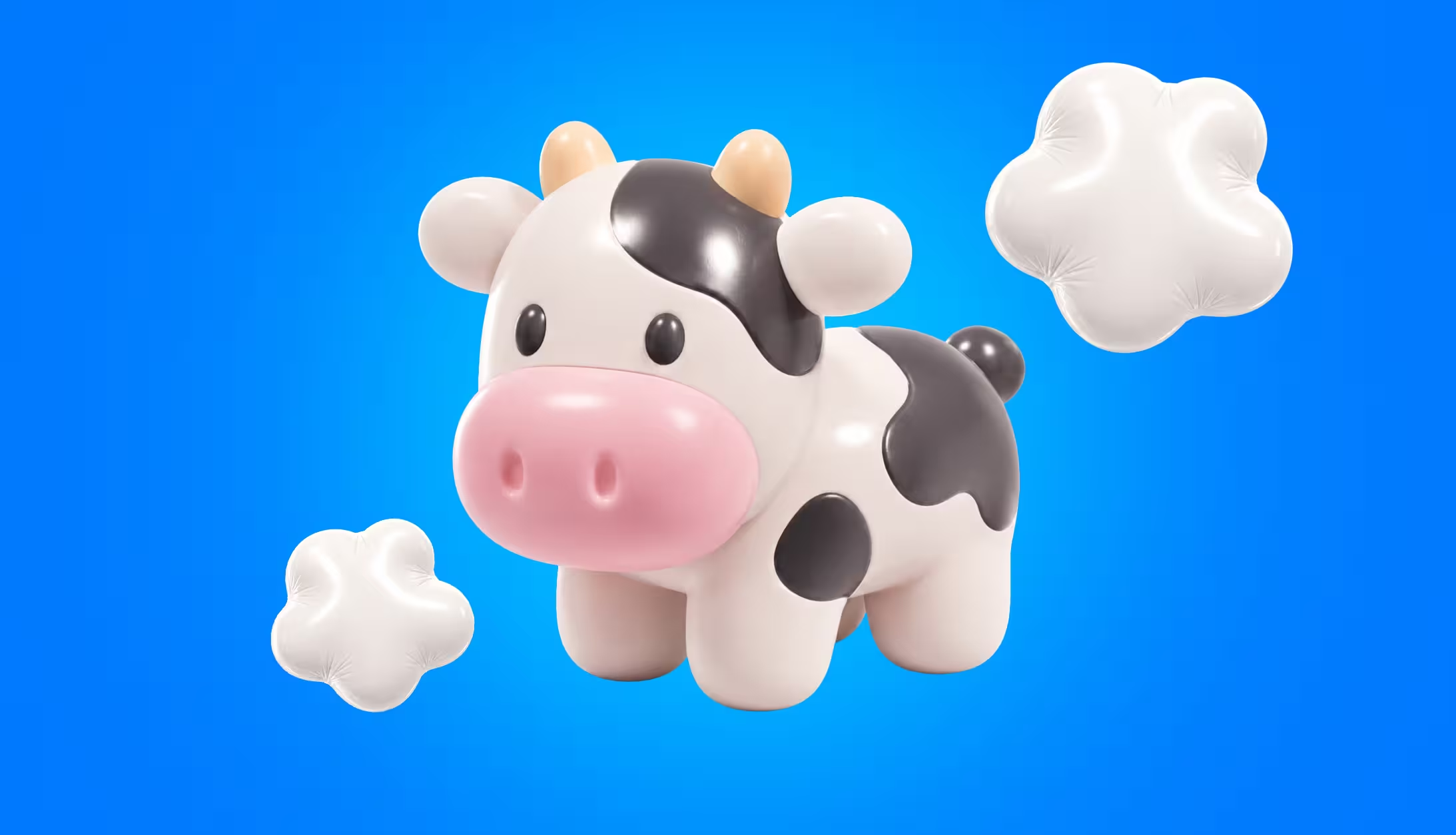
One of the more recognizable 3D looks in 2026 combines simplicity with a playful retro feeling. Shapes are often rounded, inflated, soft, or slightly blobby, with clean compositions that keep the overall image from feeling too busy. Tactile materials fit naturally into this style. Foam, rubber, fuzzy surfaces, glossy plastic, fabric, and other touchable looking textures can give simple forms more personality.
Simple shapes with more character
The appeal often comes from keeping the geometry relatively uncomplicated while exaggerating silhouettes, proportions, and materials. A basic object can feel much more distinctive once it becomes oversized, rounded, squishy, or unusually textured.
Abstract liquid forms and futuristic materials
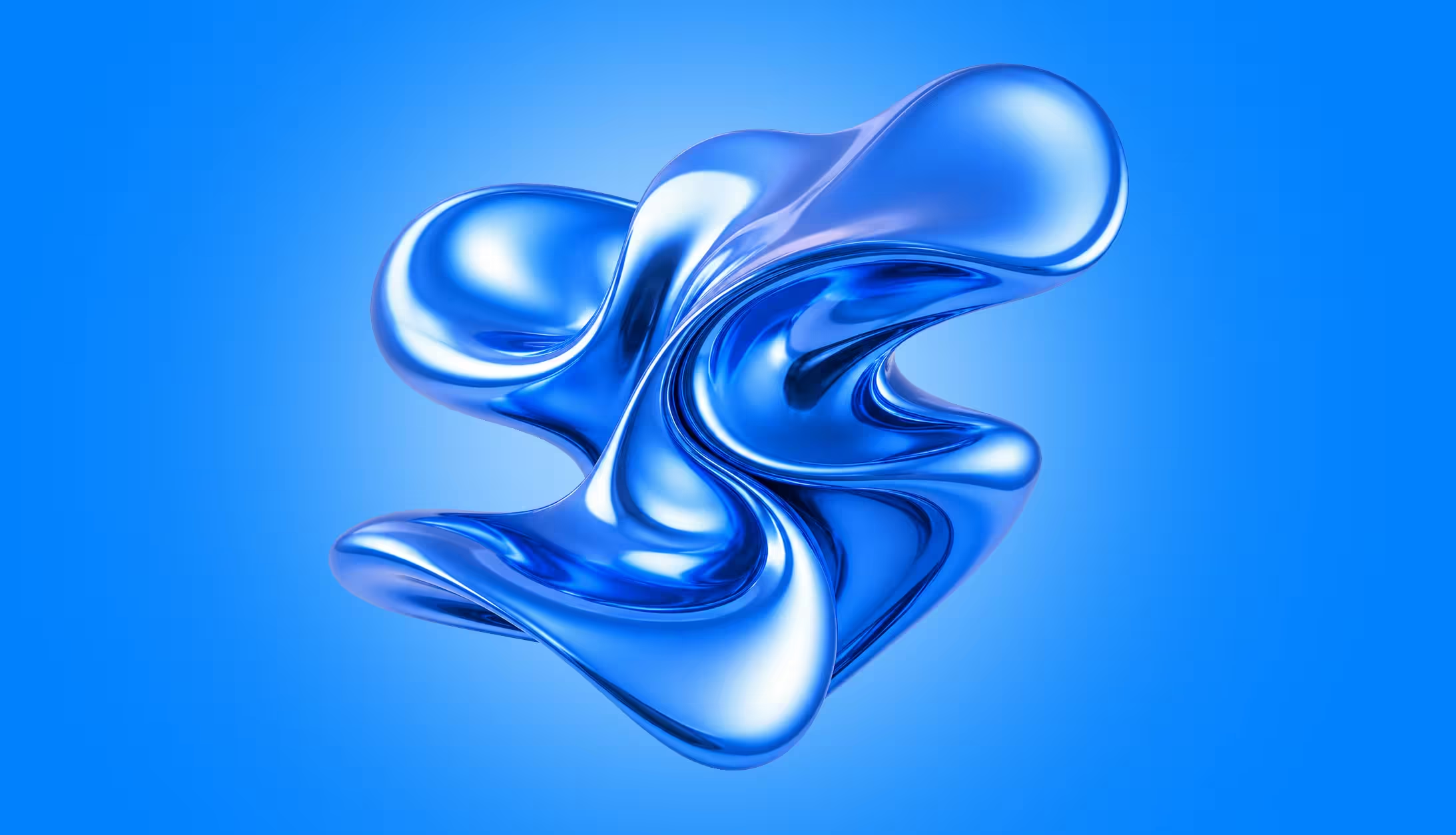
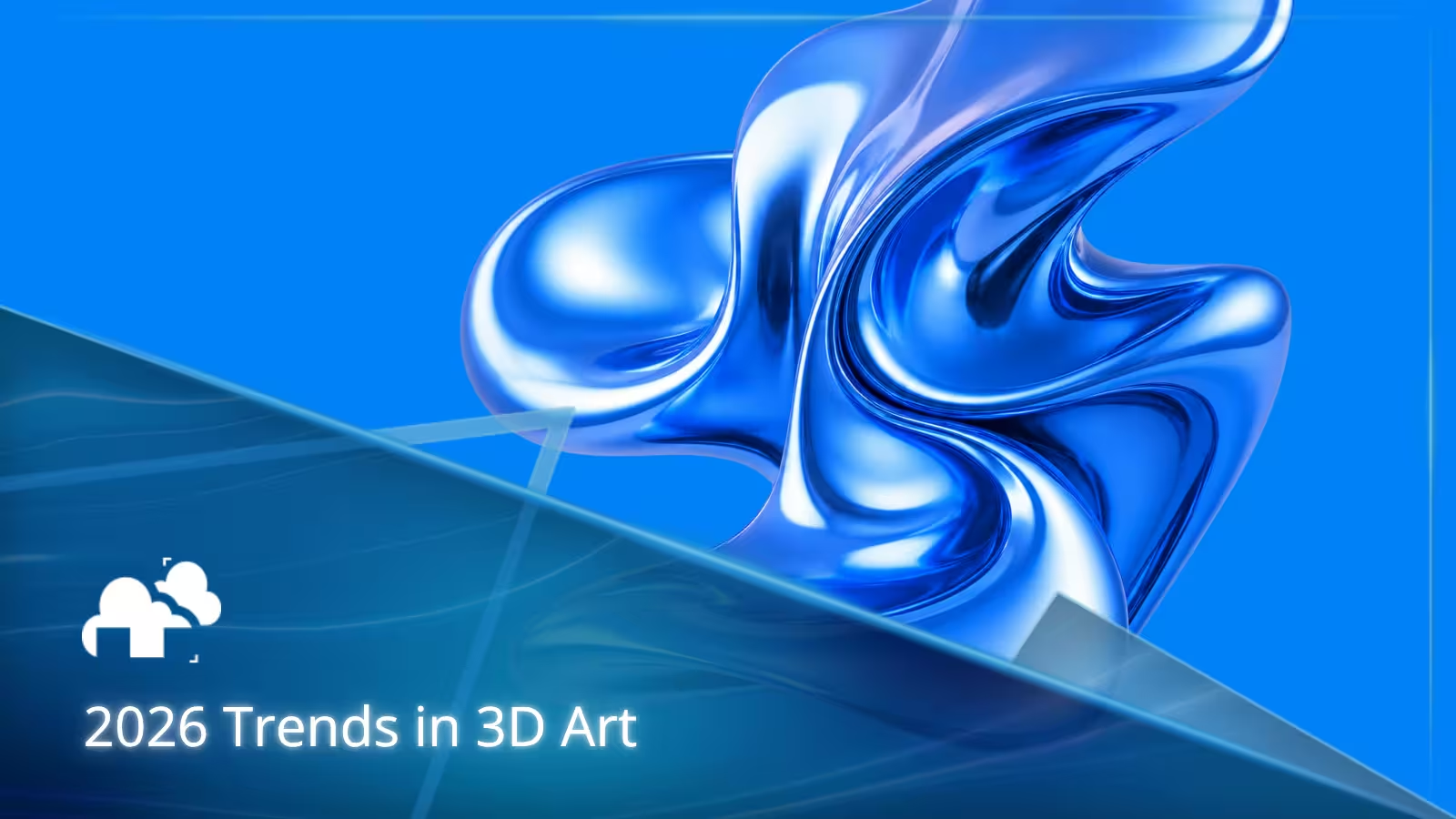
Another direction leans into abstract geometry that feels fluid, reflective, or difficult to define. Shapes can resemble flowing liquid, melted objects, stretched glass, chrome, or translucent material suspended in space. Glass and metallic materials work especially well with this type of imagery because reflections and refractions add movement even when the object itself is still.
A flexible futuristic look
Abstract forms do not need to represent anything specific, which makes them useful for title sequences, album artwork, branding, product visuals, motion graphics, and other projects where mood matters more than literal storytelling. The result can feel futuristic without relying on familiar science fiction imagery.
Hybrid 2D and 3D art
The combination of 2D and 3D continues to produce some of the more expressive visual styles in digital art. Artists can use 3D models for form, lighting, perspective, and animation while treating the surfaces more like illustrations.
Painterly textures on 3D models
Hand painted textures, visible brushwork, simplified shading, drawn outlines, and uneven colors can make a fully three dimensional model feel closer to a painting or illustration. This approach works especially well when an artist wants the flexibility of 3D without the polished appearance usually associated with conventional rendering.
Lo fi and low poly 3D
Highly polished rendering is not the only way to make 3D visually appealing. Low polygon models, simplified textures, chunky geometry, limited lighting, and deliberately dated graphics can create an aesthetic that feels nostalgic and immediately recognizable.
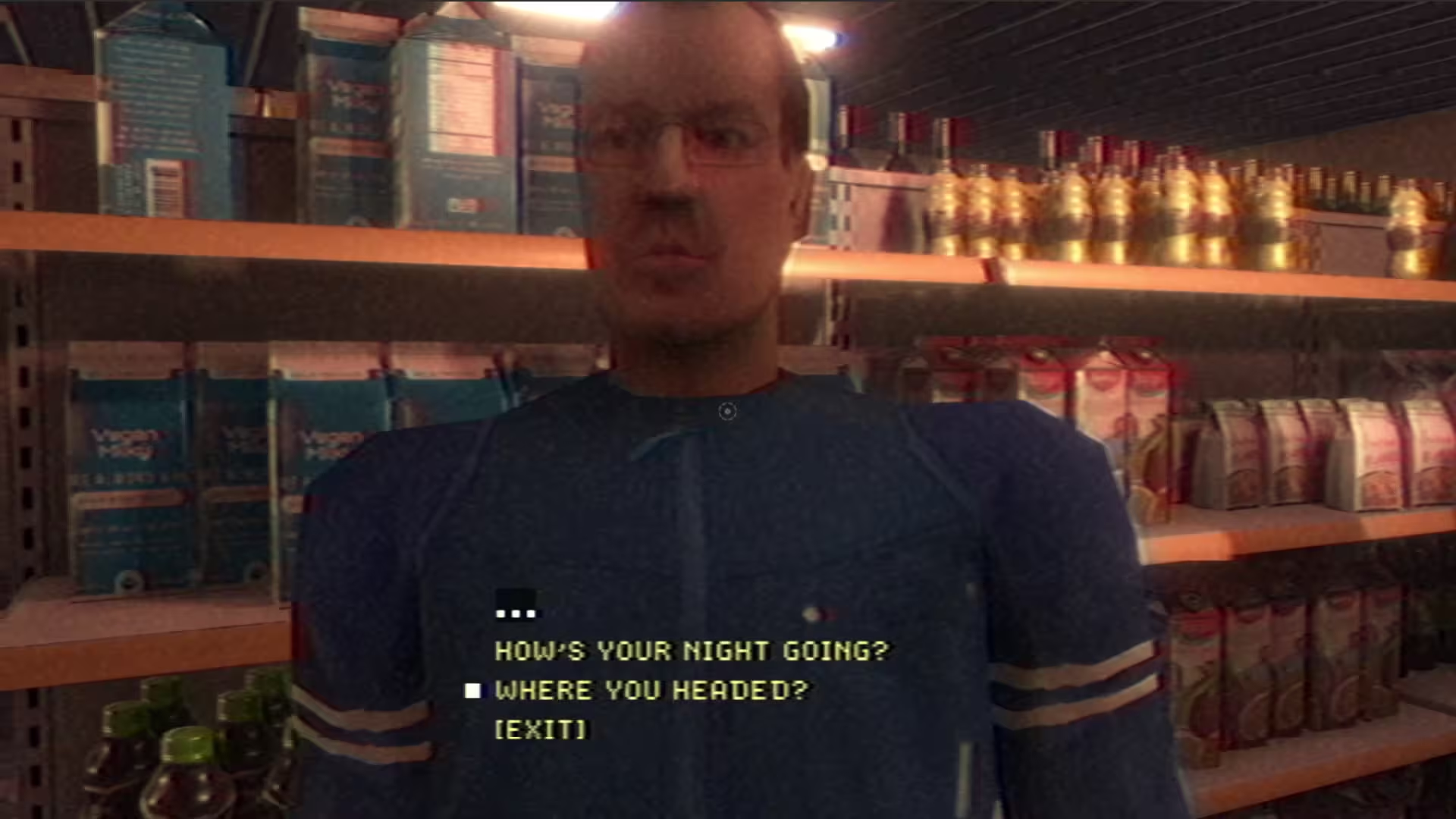
Block based worlds and intentionally simple geometry have also stayed visible in mainstream entertainment, while rougher versions of the aesthetic remain common in independent games, particularly horror projects, that use older looking graphics to create atmosphere.
VFX and augmented reality mix 3D with real life
3D is increasingly appearing inside footage of the real world. This can range from traditional visual effects to augmented reality experiences and promotional videos designed to make digital objects appear as though they physically exist in a location. Brands can use these techniques for product launches, outdoor campaigns, social content, interactive experiences, and attention grabbing videos.
Artists can use camera tracking, object tracking, lighting, compositing, shadows, and reflections to help the digital element match the footage around it. The attraction comes from seeing something clearly impossible presented inside an otherwise familiar environment.
3D printing becomes more creative and practical
3D printing continues to move beyond specialist manufacturing and into a wider range of creative and practical uses. More accessible hardware and mature workflows are making it easier for designers and hobbyists to turn digital models into physical objects. Functional organizers, replacement parts, decorative objects, toys, accessories, home products, jewelry, and customized designs can all begin as 3D models.
Moving beyond familiar printables
As access improves, originality becomes a bigger way for creators to stand out. Familiar articulated animals like 3D printed dragons and simple novelty prints still have an audience, but consumers and creators are now leaning towards designs that are more unique with a clearer design identity or practical purpose.
AI assisted and blended 3D workflows
AI is becoming easier to combine with conventional 3D production instead of existing as a completely separate process. Artists can use it for concept development, references, textures, early asset creation, variations, and other parts of a project.
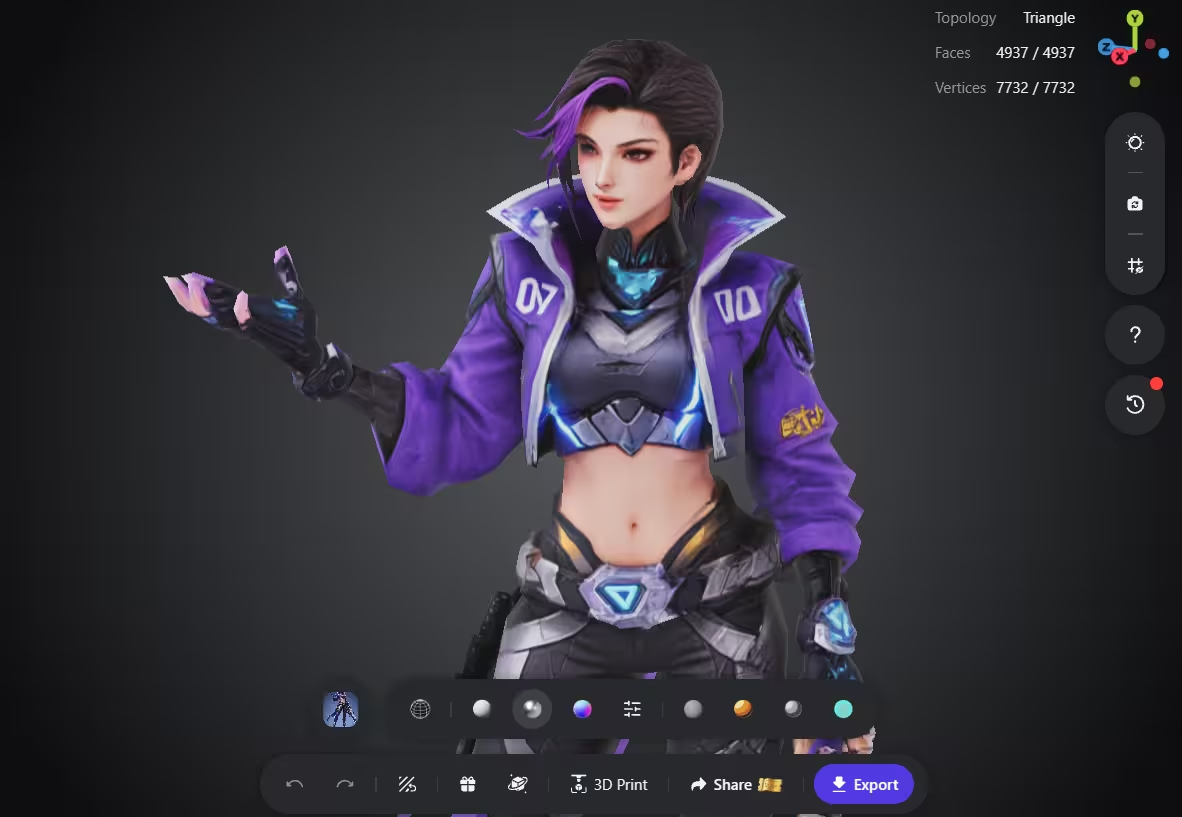
AI generated 3D models from Tripo 3D and other AI 3D model generators can also be brought into conventional software and combined with manually created assets, although they may still require cleanup before they are ready for production.
Combining 3D with generative imagery
Another approach starts with traditional 3D. An artist might model and render part of a scene first (or create a play blast), then use generative tools to alter the image, introduce additional details, or push the result toward a more specific visual style. This gives artists a way to retain the composition, perspective, and forms created in 3D while experimenting more freely with the finished appearance.
Rendering workflows become more flexible
Artists now have several ways to approach rendering depending on the project. A workstation can handle previews and smaller jobs locally, while real time engines can provide immediate visual feedback for compatible workflows.
A render farm can extend the computing resources available to an artist when local hardware becomes a bottleneck. Instead of keeping a workstation occupied with a long sequence of frames, rendering can be distributed across additional machines.
Artistic identity becomes more valuable
As software becomes better at handling repetitive and technical work, creative decisions become even more noticeable. Powerful software, asset libraries, procedural systems, and AI can make production easier, but access to the same tools can also make it easier for different artists to arrive at similar looking results. Composition, color, shape language, materials, lighting, storytelling, and personal taste therefore remain important ways to make 3D work recognizable.
Many of the trends appearing in 2026 actually encourage artists to move away from perfectly neutral digital imagery. Puffy forms, unusual materials, painterly textures, low fidelity graphics, surreal objects, and mixed media techniques all offer opportunities to make a project feel more individual. Two artists can use the same software and similar techniques while creating completely different work through their choices in shape, texture, color, movement, lighting, and composition. The latest trend is standing out and having your own visual identity.
Final thoughts
3D art in 2026 is moving in a more playful, tactile, and experimental direction. Puffy retro forms, liquid materials, painterly 2D and 3D hybrids, lo fi visuals, AI assisted workflows, VFX, augmented reality, and 3D printing are all giving artists more ways to create work that feels distinctive across both digital and physical spaces.
At the same time, flexible rendering workflows are making it easier to handle projects of different sizes and complexity. As more tools become accessible, artistic identity becomes even more important. Strong choices in form, texture, color, composition, and style are what help a piece stand out, regardless of which technologies were used to create it.
Register Now and Get $50 FREE Credits!