


From sculptural abstraction to character-driven concepts, four rising talents at Hongik University are redefining how transportation design can be a medium of personal expression, cultural narrative, and forward-thinking mobility. Each student embarked on a semester-long exploration of the roadster platform, producing visual concepts that combine storytelling, technology, and design strategy into distinctive vehicles.
The projects, completed with support from rendering tools like GarageFarm, reflect a new generation of designers unafraid to blend form with philosophy.
A Roadster for G-Dragon: design as persona
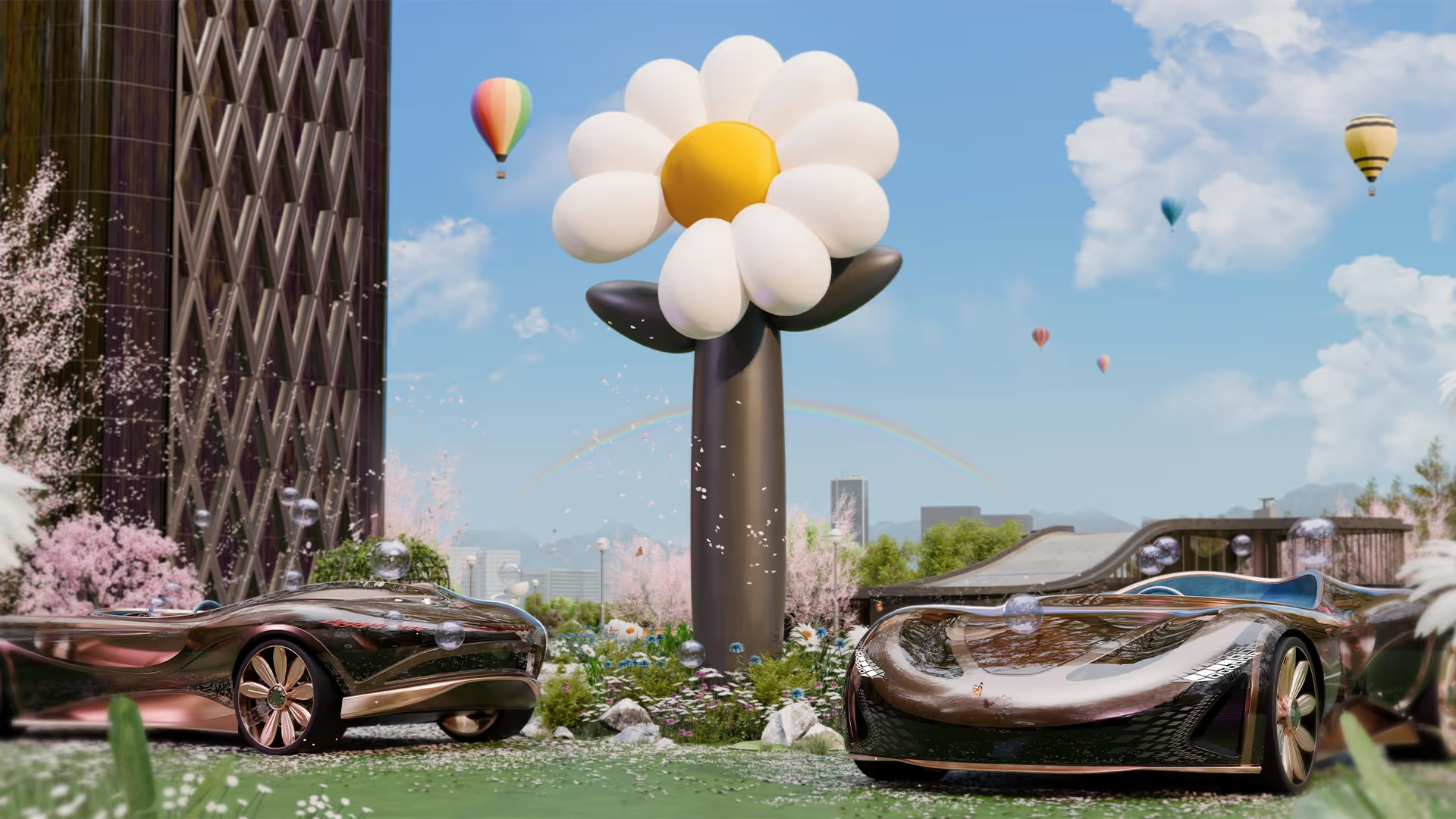
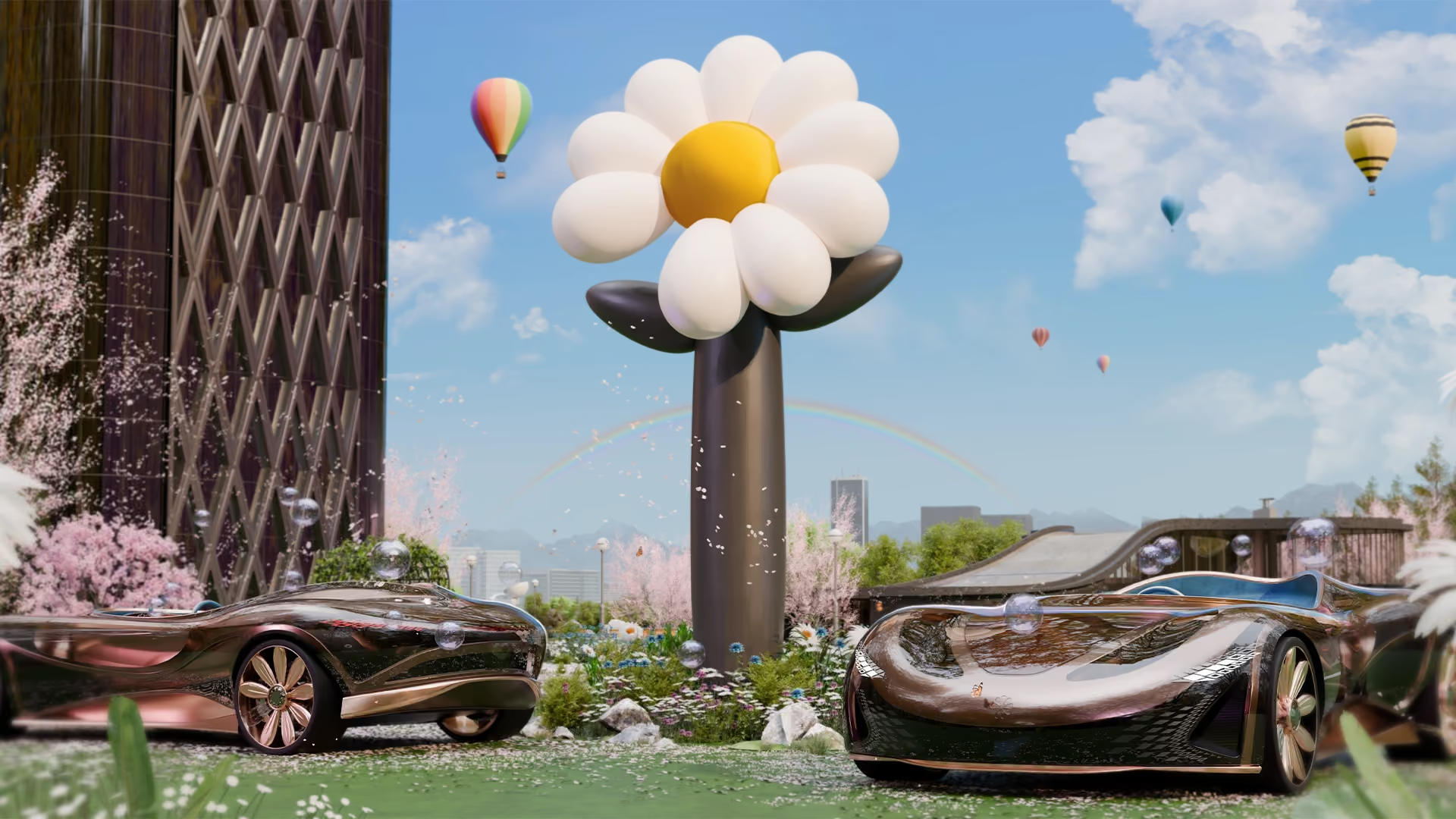
Seok Min Kyung, a student in the Transportation Design Department, channeled K Pop cultural icon G-Dragon as a persona to shape a bespoke EV roadster. By analyzing the duality of G-Dragon’s free-spirited artistry and meticulous perfectionism, Seok developed a sculptural vehicle that embodies these contrasting energies. Signature elements from G-Dragon’s Peaceminusone fashion label (like the daisy motif) appear throughout the vehicle’s form.
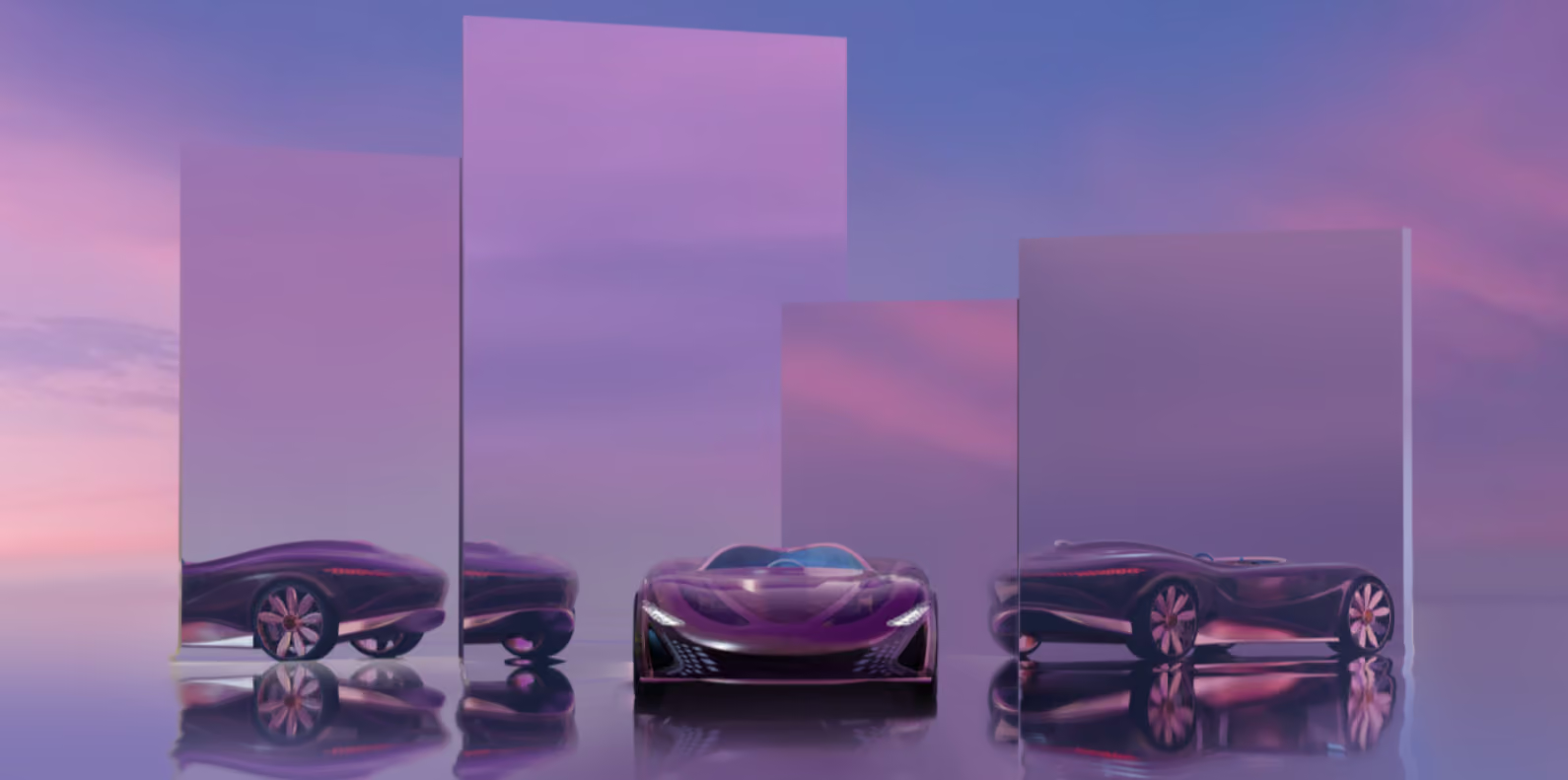
Rebalancing limitations
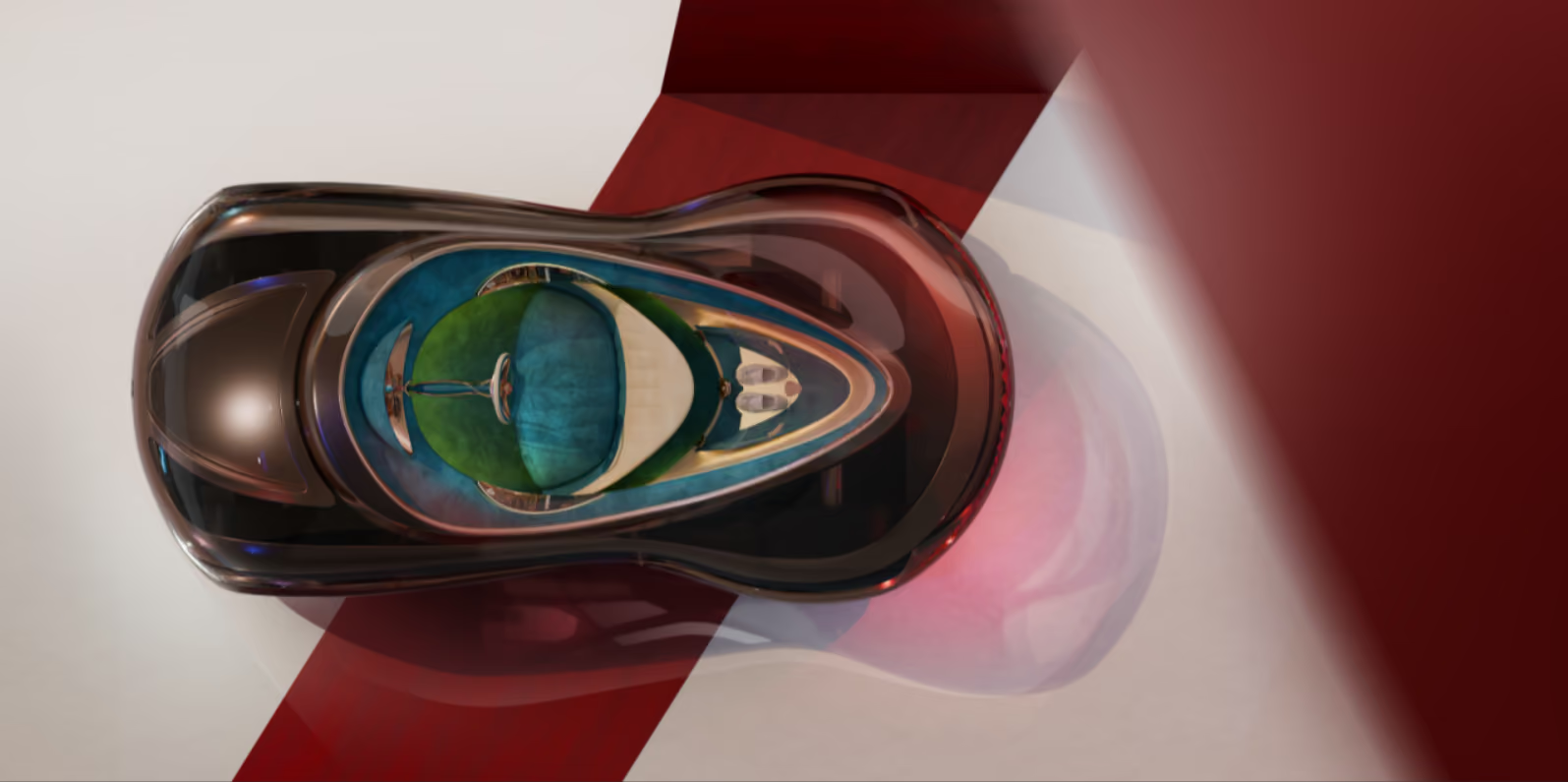
Working within the constraints of a standard EV roadster platform, such as small wheels and a narrow width, Seok rebalanced proportions and strategically designed the surface flow and character lines to create a visually wider and lower appearance than its actual dimensions.
“Within the limited platform, we aimed to simultaneously secure both the presence and sculptural beauty of a roadster” - Seok Min Kyung
Visualizing wine with form: sensory design
Kwon Jun-ho brought an unusual muse to his roadster: the French wine Château Petrus. Rather than using a human persona, Kwon treated the sensory characteristics of the wine (its taste, aroma, and age) as abstract concepts to be visualized through AI tools. These qualities were then embedded in the roadster’s proportions, surface textures, and materials.
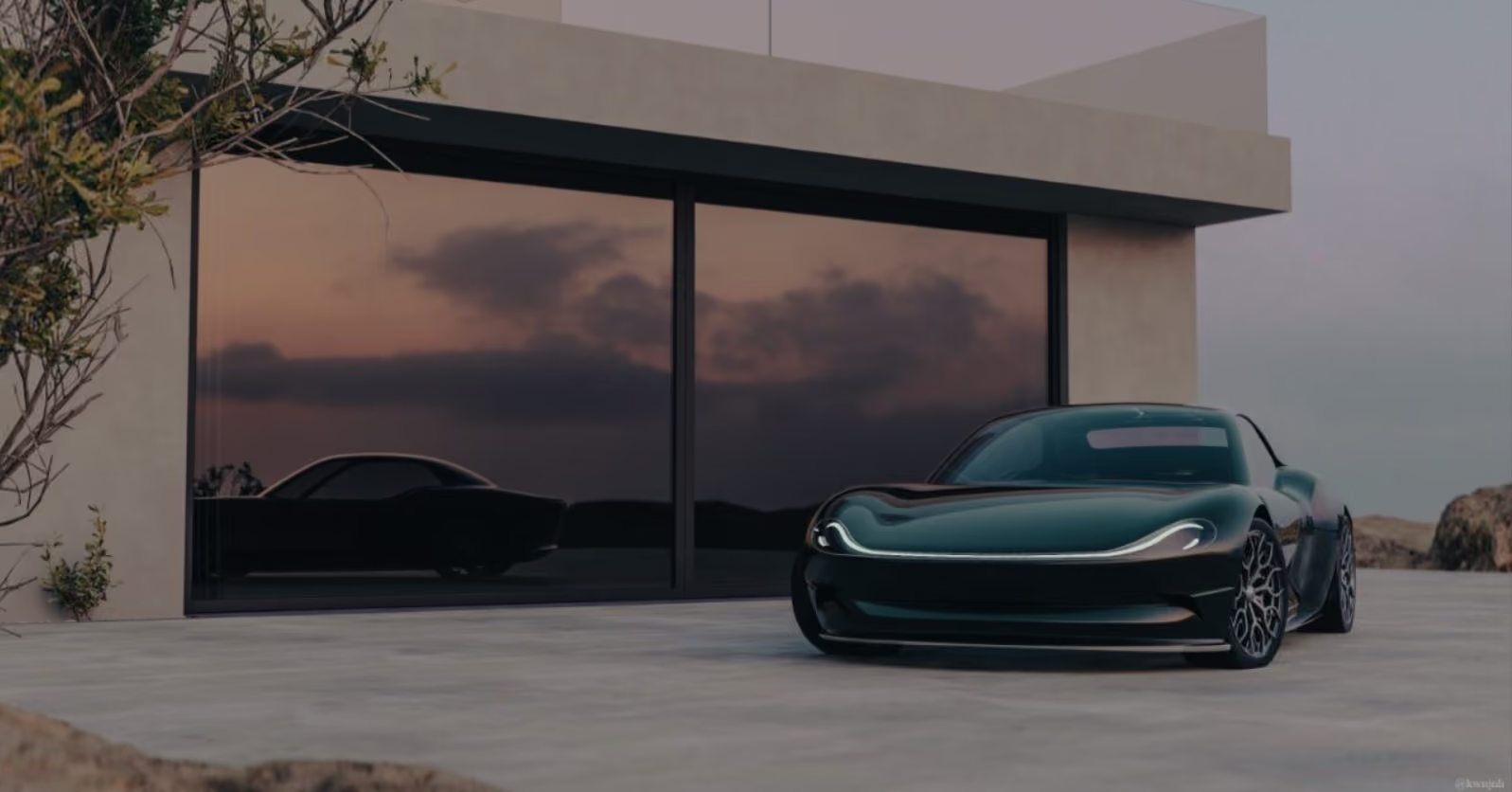
Turning taste and aroma into visuals
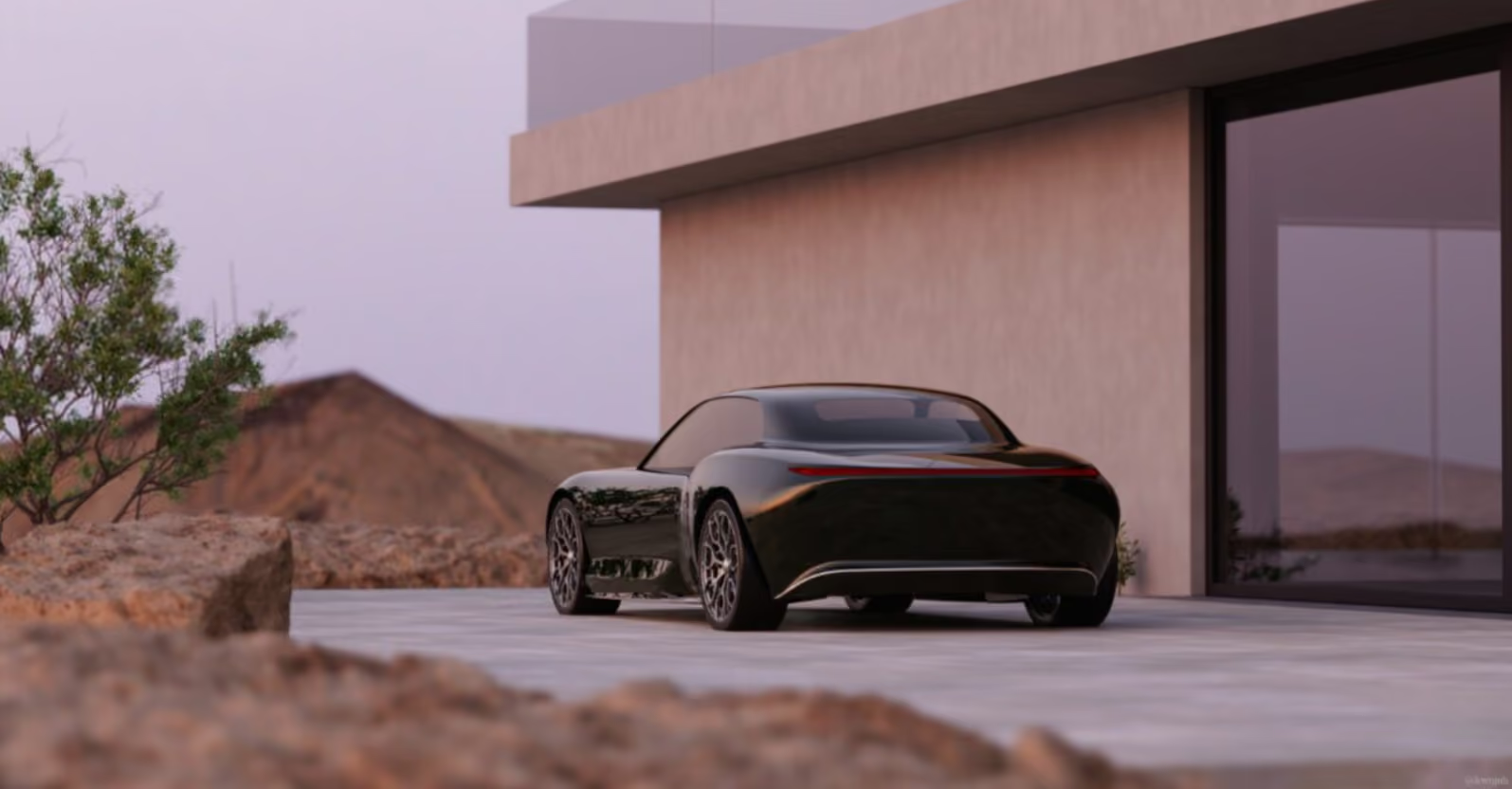
The most difficult part for Kwon Jun-ho was expressing the abstract taste and aroma of wine through the shape and material of a car. Recognizing how individual tastes differ and matter more today, Kwon compared wine’s unique traits, like flavors and aromas that also differ, depending on the vintage it was aged in.
Modular freedom: EV flexibility for everyday life
Park Je-hoon proposed FENNEC, a new EV roadster concept for KIA. The name evokes the adaptability and flexibility of the foxes and their distinct appearance based on their environment or region. Park’s concept follows suit with a modular design, with front and rear body components can be interchanged based on the user’s preferred driving style. The blue hue of the FENNEC (inspired by the arctic fox) aimed to express the feeling of “gentle strength” of the sea, sky, and blue waves, as opposed to other roadsters.
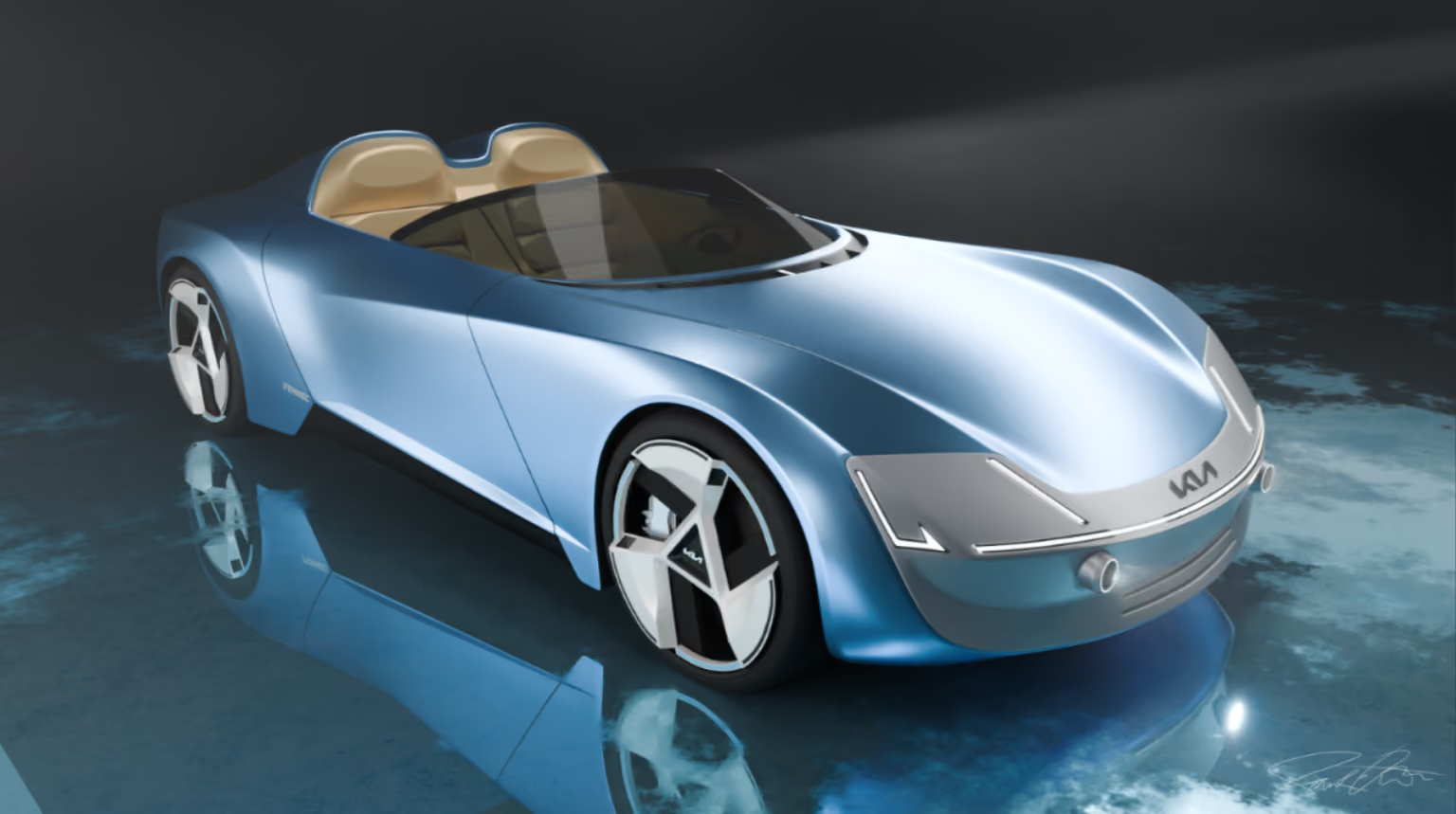
The need for good hardware
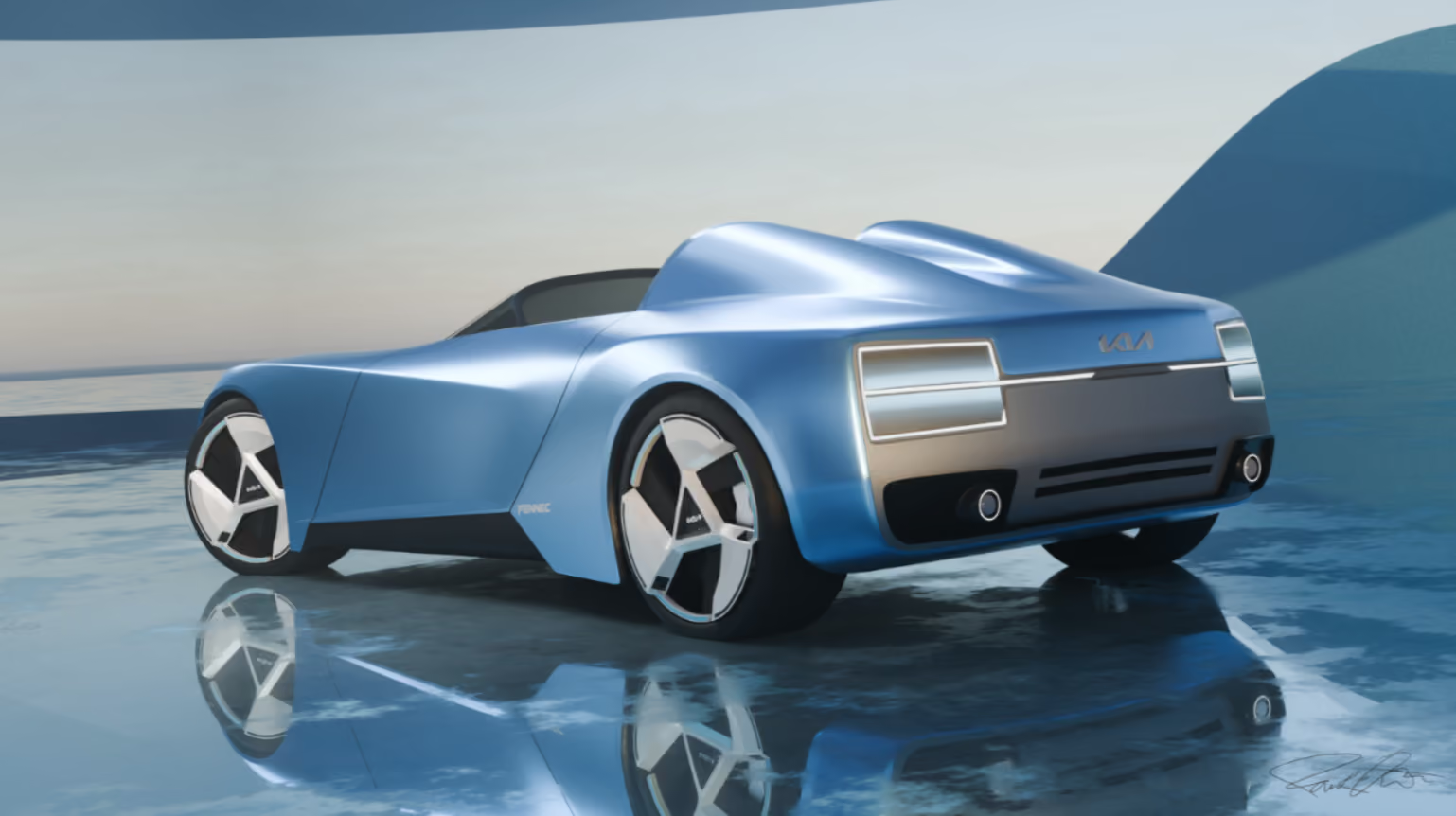
One challenge of the project was setting up the scene, which ultimately required a high-spec desktop computer to be done. The use of new software (GarageFarm’s render farm) also took time to get used to, but proved useful as rendering locally would have taken several hours in total.
Liquid metal on wheels: abstract surface language
Ji Dae-han tackled Hyundai’s IONIQ series, but took it to the next level by conceptualizing IONIQ 2, a compact roadster meant to complement the brand’s existing sedan and SUV models. Drawing inspiration from “liquid metal,” Ji designed surfaces that feel fluid and reflective, as if sculpted by natural forces rather than machines.
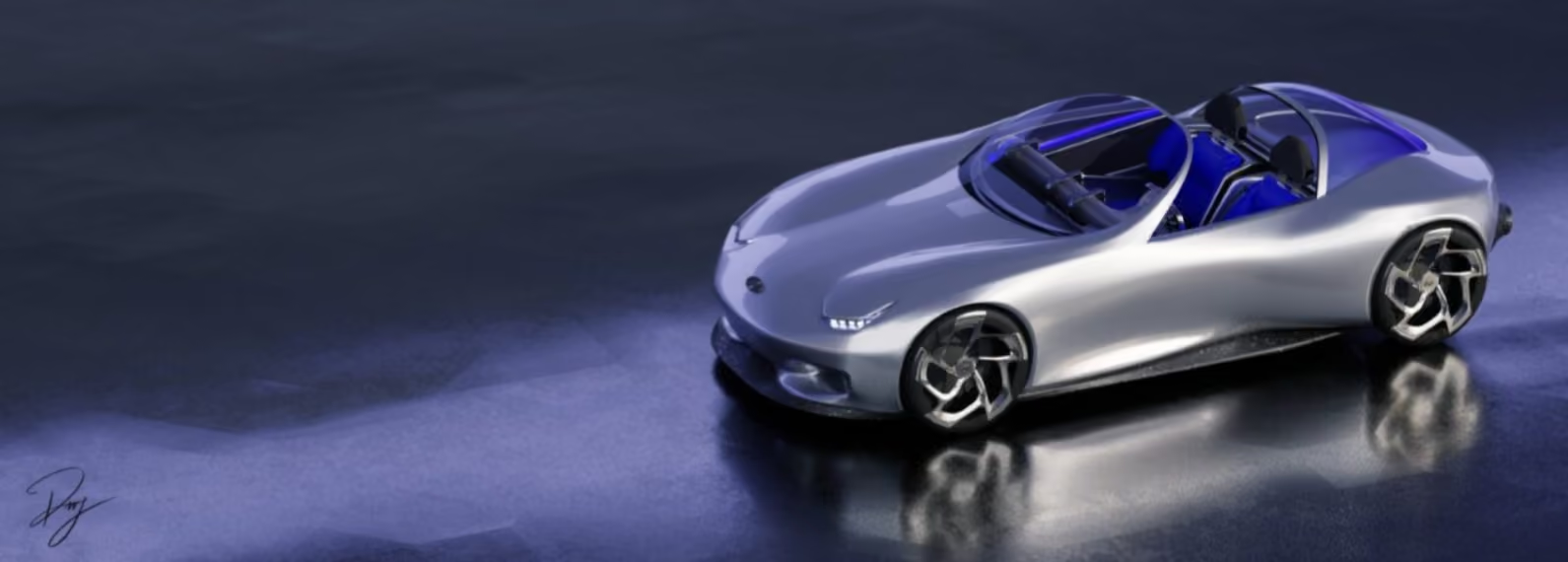
Concept communication
The most difficult part of this project was communicating the idea, and ensuring that the intent of the design was clearly conveyed to the viewer. Thus, there were many revisions to the idea, design, and details through the development process.
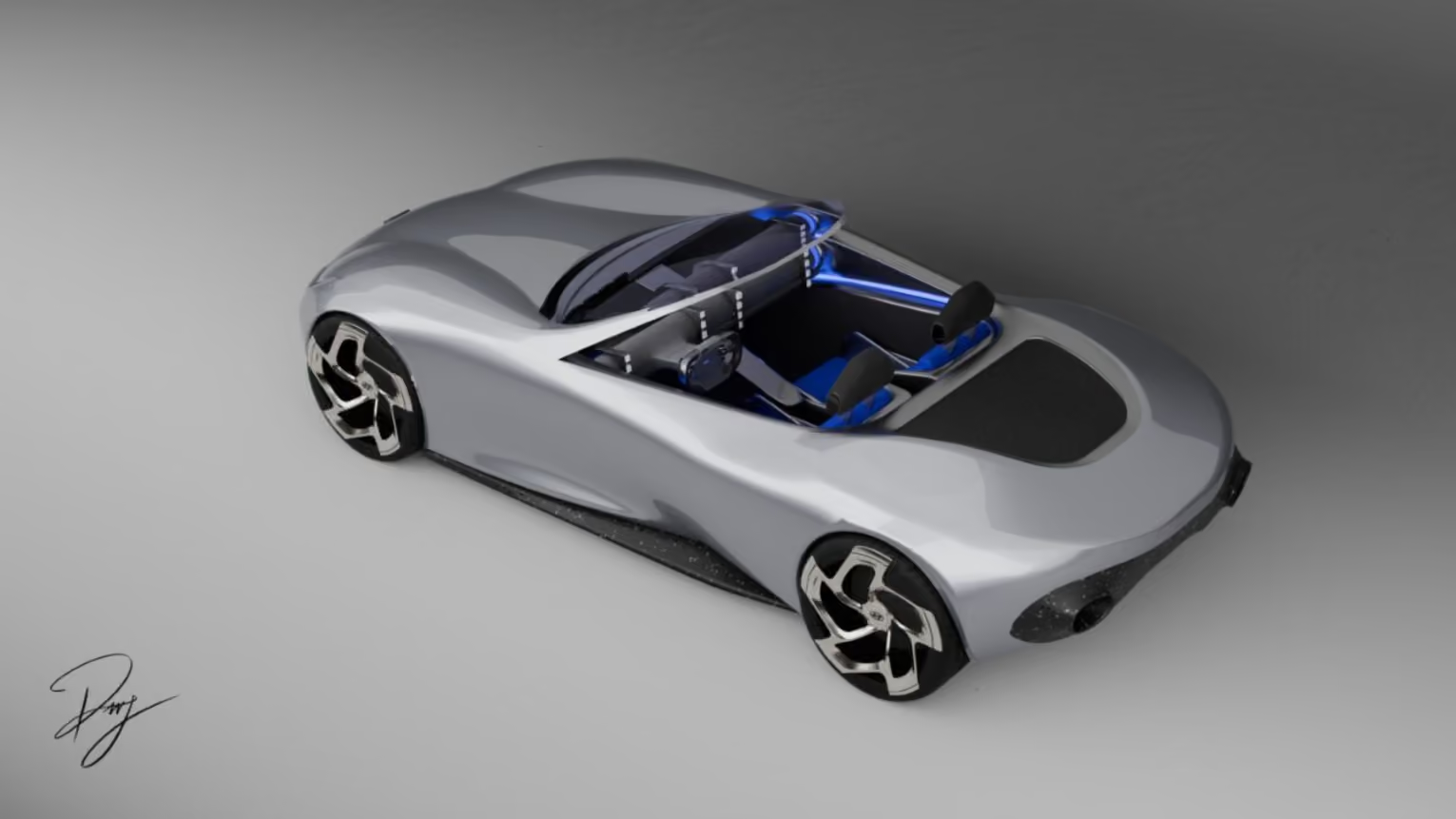
Spherical shapes were applied to the bonnet and trunk, giving the impression of liquid adhering to the body surface. They explored abstract, liquid-inspired sculptural forms and looked at ways to blend them with a modern pixel lamp design. This led them to choose a flowing shape along the bonnet, which they then developed further.
GarageFarm: the impact of render farms
For all four designers, rendering speed and quality were critical to bringing these ideas to life. Tools like GarageFarm enabled high-quality visual output in a fraction of the time it would take on personal machines.Though some noted a learning curve or limitations in interface, each designer agreed the trade-off was worth it for the time savings and efficiency, especially when working on multiple overlapping projects.
“The biggest advantage seems to be the ability to perform multiple high-quality renderings simultaneously, which saves time.” - Seok Min Kyung
Why they chose GarageFarm
Kwon Jun-ho highlighted the limitations of rendering on a personal PC and appreciated the efficiency GarageFarm offered, especially as a student. Park Je-hoon, on the other hand, mentioned the high cost of building a powerful desktop as a barrier, and valued the ability to render high-quality images at an affordable price. Lastly Ji Dae-han emphasized the advantage of handling heavy render loads efficiently, which helped him manage his time better.
“Although this could have been done on my personal desktop, I was working on it concurrently with other projects during the semester. Thus using an external render farm was very efficient in terms of saving time. “ - Ji Dae-han
Overall experience using GarageFarm
All four users reported a positive experience. Seok Min Kyung and Kwon Jun-ho both emphasized how GarageFarm significantly reduced rendering time, as well as various rendering results. Park Je-hoon appreciated the time and quality gains made possible through parallel computing, while Ji Dae-han found that the faster rendering helped him streamline his entire workflow more effectively.
“The process of obtaining various rendering results usually takes a very long time, but using a render farm was the most helpful way to reduce the time.” - Kwon Jun-ho
The future of design: AI, identity, and beyond
When reflecting on trends in transportation and digital design, the students pointed to the growing role of AI not just as a tool but as a collaborator, as well as the power of Blender and other software.
Evolving industry trends
For Seok Min Kyung, one of the most exciting recent trends in the automotive design industry is how electrification is driving the expansion of automotive design beyond just the exterior. As cars move away from engine-focused layouts, designers gain freedom with form, lighting, and interface to reflect brand identity and user experience.
“I believe the automobile is no longer simply a means of transportation; it is evolving into a design object that embodies individual tastes, experiences, and philosophies.” - Seok Min Kyung
Park Je-hoon, on the other hand, sees robots and AI as the most interesting development. AI is significantly replacing even the design field, which was once thought to be irreplaceable. He believes that in the coming years, many designers will be replaced by AI, and that creative decision-making will become the key skill. Similarly, Ji Dae-han finds it impressive that AI allows experimentation with a variety of ideas in a short period of time.
“I believe that in the next few years, many designers will be replaced by AI, and the important part will be designers who can truly select the essential elements and create creative products. “ - Park Je-hoon
New tools and software in the workflow
Seok Min Kyung and Ji Dae-han believes Blender is improving steadily and will grow in market influence with a huge impact, while Kwon Jun-ho highlights render engines like Autodesk VRED, which integrates well with Alias, a standard modeling tool in the automotive field, along with Unreal Engine, which has broad use across industries. Park Je-hoon points out a severe shortage of RAM when running AI tools. He suggests cloud-based solutions could help, especially if used like a renderer.
The journeys of our four rising talents from Hongik University
Seok Min Kyung: creating visually complete automobile designs
Seok Min Kyung has pursued automotive design since they were young, leading them to study transportation device design at Hongik University.
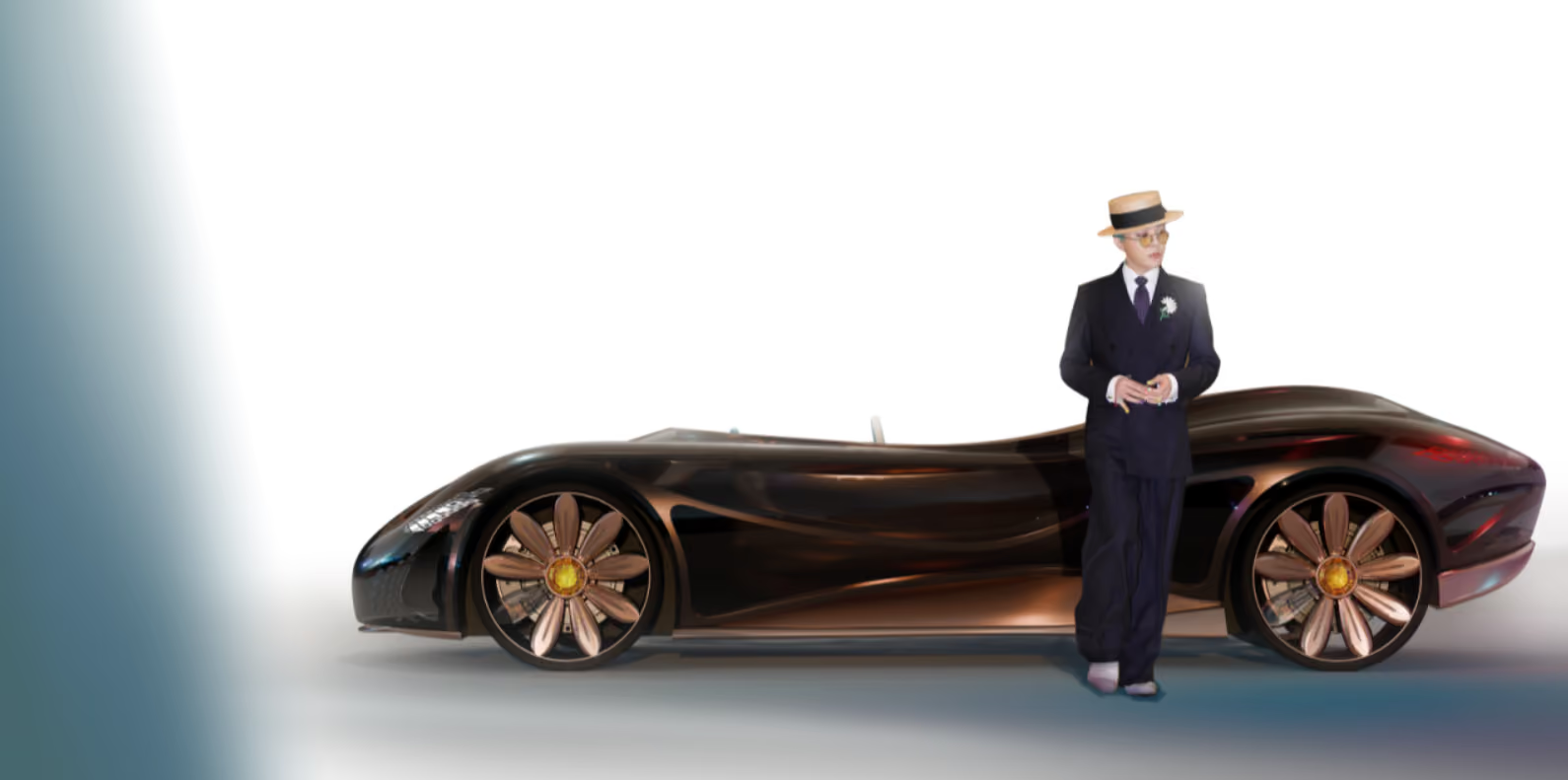
He specializes in both vehicle design and 3D modeling, with strengths in shaping concepts, proportion, and translating design intent from sketch to detailed digital models that emphasize visual completeness.
“My core competency is to produce convincing automobile design results through this process.”
Kwon Jun-ho: mixing creativity with technicality
Kwon Jun-ho focuses on exterior automotive design, concept development, and UX-based design.
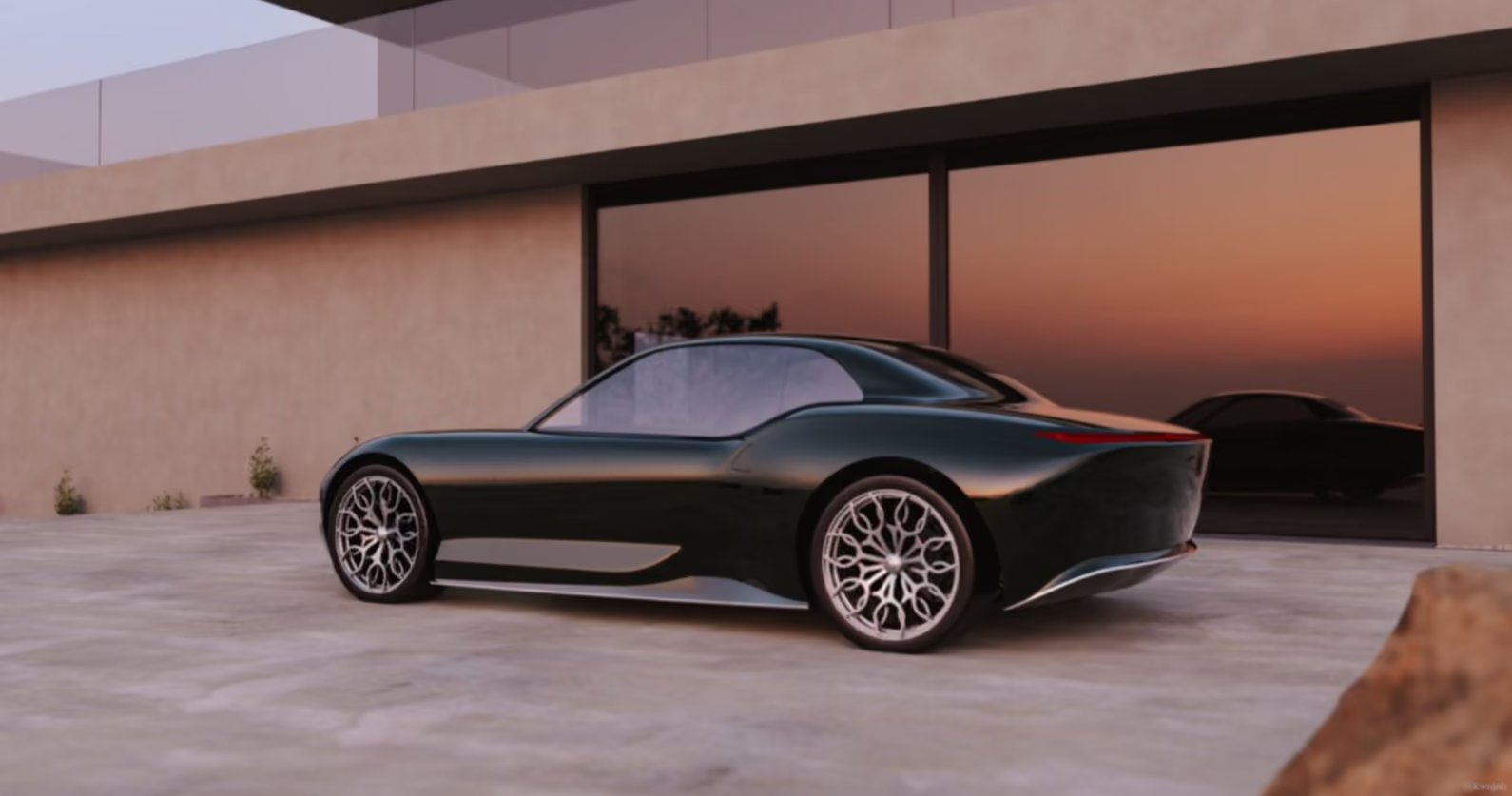
He also excels in 3D modeling and visualization, combining creativity and technical skill to deliver cohesive automotive concepts.
“My goal after graduating is to work as an automotive exterior designer, whether it be in Korea or abroad.”
Park Je-hoon: shaping meaningful designs for the AI era
With five years of experience and currently a transportation design major, Park Je-hoon is developing his skills in automotive design while continuing his education and gaining hands-on experience in the field.
“In the long run, I want to become a designer who can create designs that people need in an important position in the AI era.“
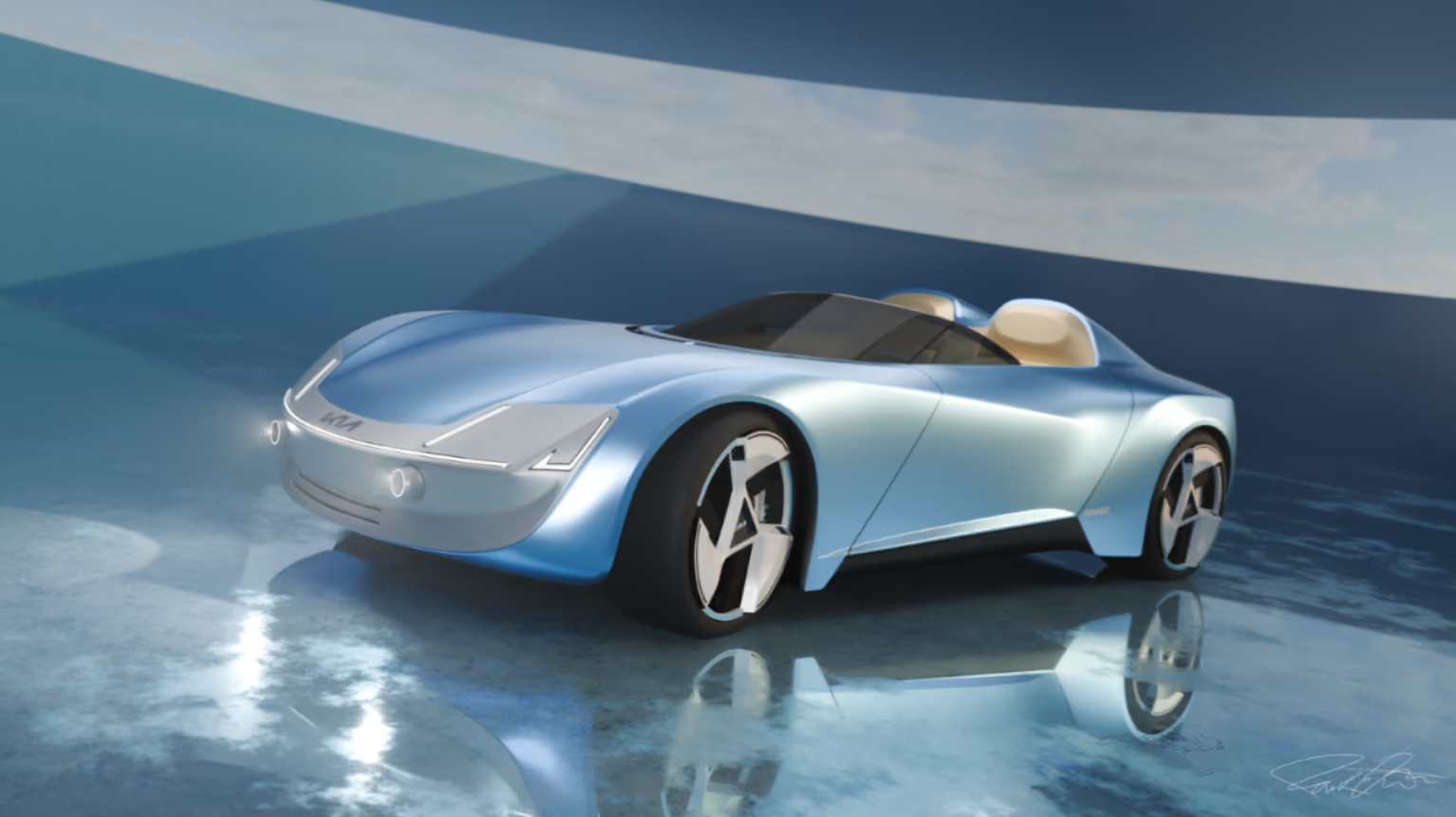
Ji Dae-han: combining aesthetics, functionality, and identity
Ji Dae-han majors in transportation design at Hongik University, drawn to the intersection of cars and culture.
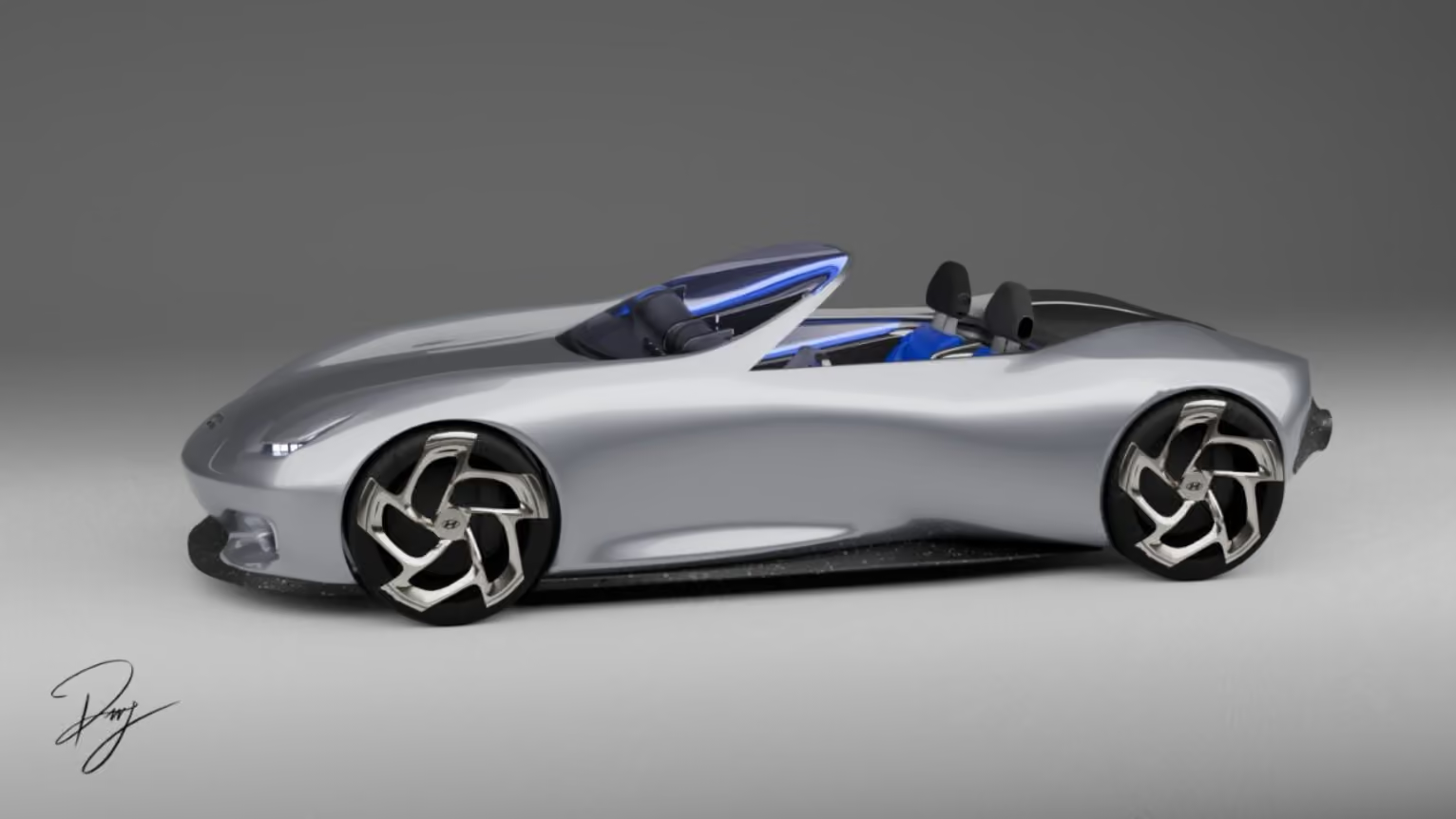
His approach combines aesthetics, functionality, and brand identity, moving from sketch to 3D models and prototypes within an interdisciplinary framework.
"I've been fascinated by cars since childhood, and the close connection between cars and culture drew me to transportation design as my major."
Conclusion
These four roadster projects demonstrate that automotive design is no longer just about performance or efficiency. It is now a canvas for identity, emotion, and storytelling. Whether through cultural icons, sensory interpretations, or modular components, the next generation of designers is showing how the car can become a deeply personal, expressive object, designed not just for roads, but for people.
Like their work? Find each designer’s Instagram here:
- Seok Min Kyung: @mnigmnig
- Kwon Jun-ho: @arkjhve
- Park Je-hoon: @jehun_cardesi9n
- Ji Dae-han: @davi_ji