
Key takeaways
- The global visual effects market is projected to grow from $12.48 billion in 2025 to $13.94 billion in 2026 (BusinessResearch).
- The virtual production market is expected to increase from $2.8 billion in 2025 to $3.3 billion in 2026 (GrandViewResearch).
- AI in VFX is helping automate repetitive tasks and accelerate creative development.
- Real time rendering and virtual production are bringing visual effects earlier into filmmaking.
- VFX cloud rendering is making powerful computing resources more accessible to studios of different sizes.
- The future of VFX involves more connected workflows that combine automation, rendering technology, and artistic expertise.
TL;DR
VFX production is changing as artificial intelligence, real time rendering, virtual production, and cloud computing become more integrated into everyday workflows. Artists can develop visual ideas earlier, automate certain technical tasks, and access additional computing power such as render farms, without relying entirely on local hardware. Studios are also adopting more flexible pipelines that support collaboration and faster revisions. While these technologies offer new opportunities, they also introduce challenges involving creative control, technical compatibility, and production costs.
How technology is reshaping VFX production
Visual effects production has always involved balancing creative ambition with technical limitations. Artists work with increasingly detailed environments, complex simulations, and demanding rendering requirements, often while managing revisions and strict delivery schedules. Traditionally, this meant relying heavily on specialized software, powerful local workstations, and carefully structured production pipelines.
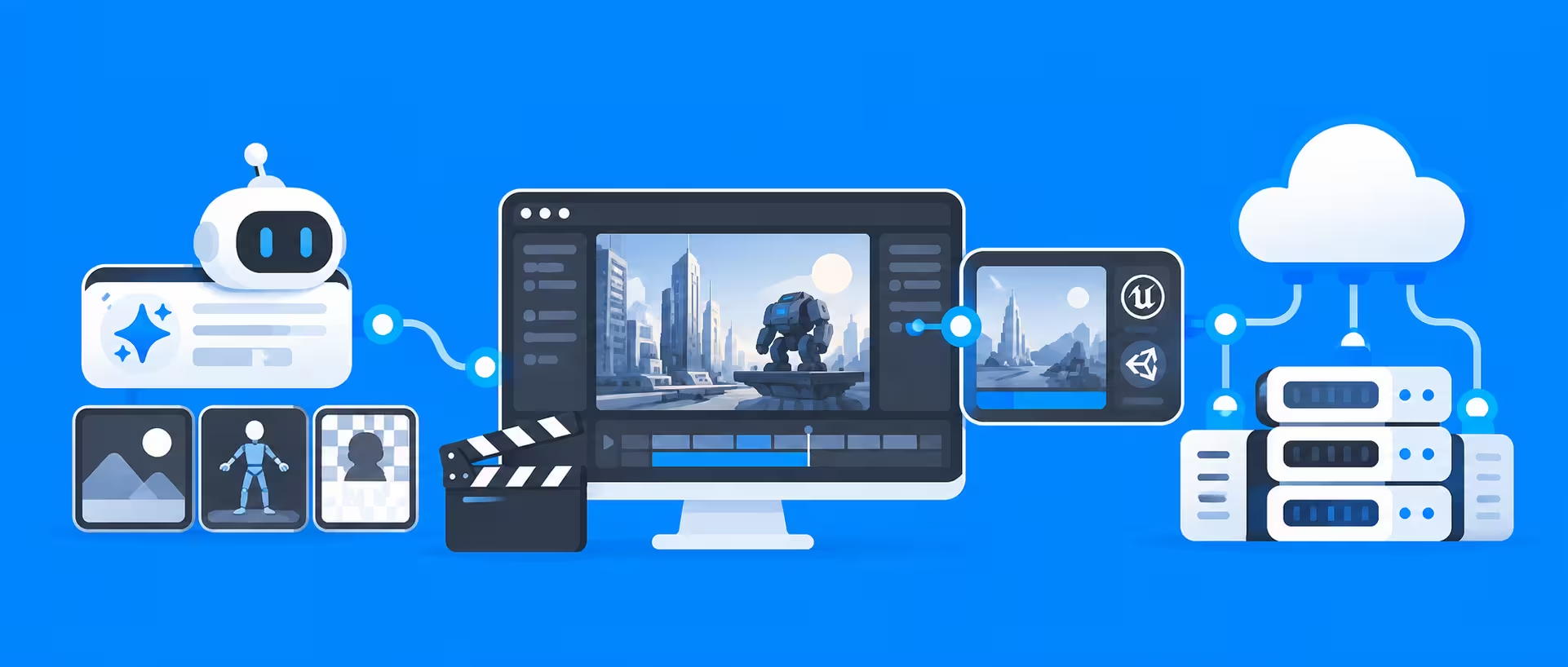
Today, new technologies are changing how those pipelines operate. AI tools are assisting with tasks that previously required extensive manual work, real time engines allow filmmakers to visualize scenes during production, and cloud computing gives studios access to additional rendering resources when needed.
According to industry estimates, the global visual effects market is projected to grow from $12.48 billion in 2025 to $13.94 billion in 2026 (BusinessResearch). As demand for digital content continues, these technological developments are influencing how VFX artists work and how studios organize their productions.
VFX workflows are becoming more connected with real-time rendering
Traditional VFX pipelines generally move through several stages, including concept development, modeling, animation, simulation, lighting, rendering, and compositing. While these stages remain important, modern production tools allow departments to collaborate earlier and exchange assets more easily.
For example, artists can now develop digital environments during preproduction, preview them with real time engines, and continue refining those assets throughout filming and postproduction. This gives directors and VFX supervisors more opportunities to evaluate creative decisions before committing to expensive final renders.
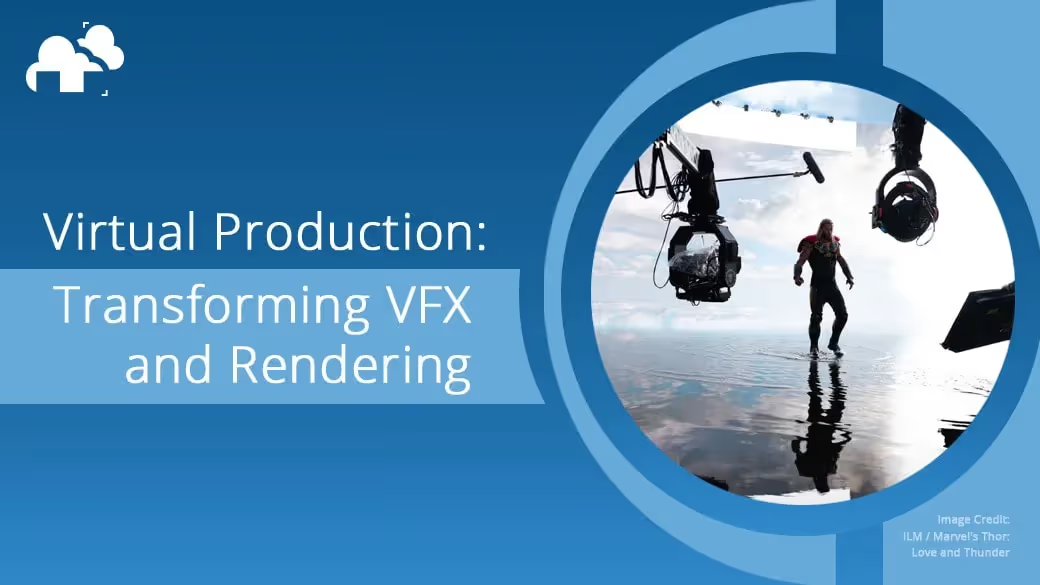
Virtual production also combines digital environments with physical filmmaking techniques, like how LED volume stages can display rendered environments behind actors while camera tracking adjusts the background perspective as the camera moves. Interest in these techniques continues to grow as the global virtual production market was valued at approximately $2.8 billion in 2025 and is estimated to reach $3.3 billion in 2026 (GrandViewResearch).
Why offline rendering remains important
Although real time rendering has improved significantly, offline rendering still plays an important role in high quality VFX. Complex lighting, detailed simulations, realistic materials, and demanding visual effects may require additional computing time to achieve the desired result. Many workflows therefore combine both approaches. Artists can use real time tools to test cameras, animation, and scene layouts, then use offline rendering engines for final images that require more detailed calculations. This combination allows productions to benefit from interactive feedback while maintaining control over the quality of their final output.
How AI in VFX is changing production tasks
Artificial intelligence is becoming part of the VFX production toolkit, particularly in tasks that involve repetitive image processing or early creative experimentation. Rather than relying on a single AI application, artists can incorporate different tools at various stages of production.
Automating repetitive work - AI assisted tools can help with tasks such as rotoscoping, object isolation, cleanup, and image enhancement. These processes often involve detailed adjustments across many frames, making them suitable candidates for automation.
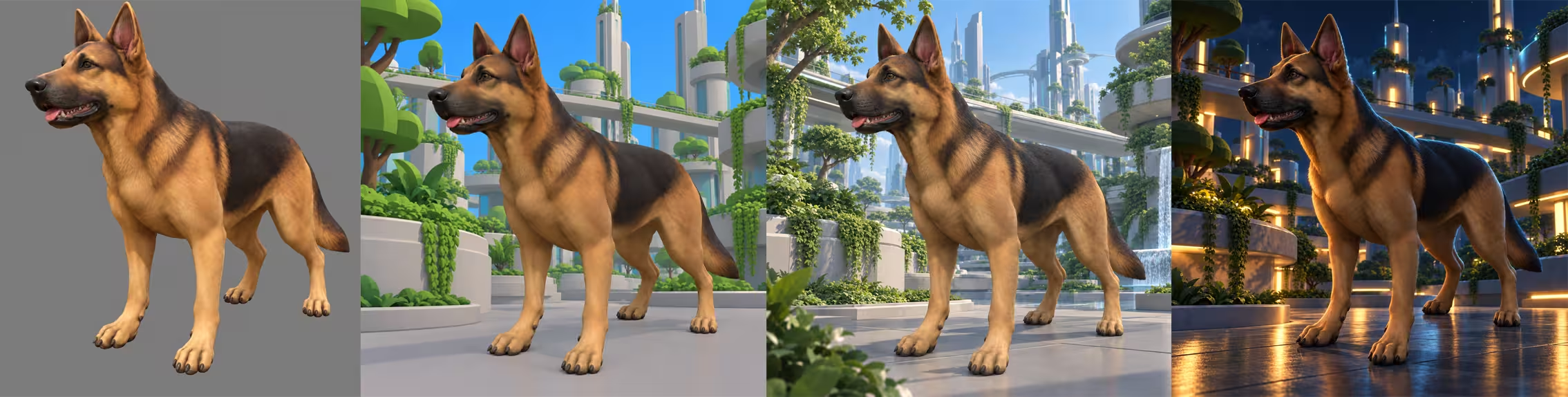
Faster concept development and previsualization - Generative AI tools can help artists explore environment designs, lighting ideas, compositions, and visual styles before creating detailed 3D assets. These early concepts can serve as references during modeling, scene development, and previsualization.
However, AI generated visuals can still struggle with consistency, precise control, and maintaining the same details across multiple shots. Professional VFX production often requires repeatable results, meaning traditional 3D workflows and manual refinement remain important.
VFX cloud rendering is changing production capacity
Rendering remains one of the most resource intensive stages of VFX production. Detailed environments, simulations, complex lighting, and large animation sequences can require considerable processing power, particularly when hundreds or thousands of frames need to be delivered.
VFX cloud rendering allows studios to access remote computing resources instead of relying entirely on their own machines. By distributing compatible rendering tasks across multiple computers, artists can process animation frames in parallel and reduce the time needed to complete large rendering jobs.
How a VFX render farm supports production

A VFX render farm provides access to multiple rendering machines, allowing teams to increase their computing capacity when projects become more demanding. This is particularly useful for smaller studios that cannot justify purchasing and maintaining extensive local rendering hardware. These services allow artists to submit supported 3D scenes for remote rendering while continuing other production tasks locally. This can help studios manage demanding deadlines, particularly when projects require multiple revisions or final quality animation.
Cloud rendering still requires preparation. Artists need to check software compatibility, external assets, plugins, rendering settings, and transfer requirements before submitting their work.
How DIVO Production manages demanding VFX projects
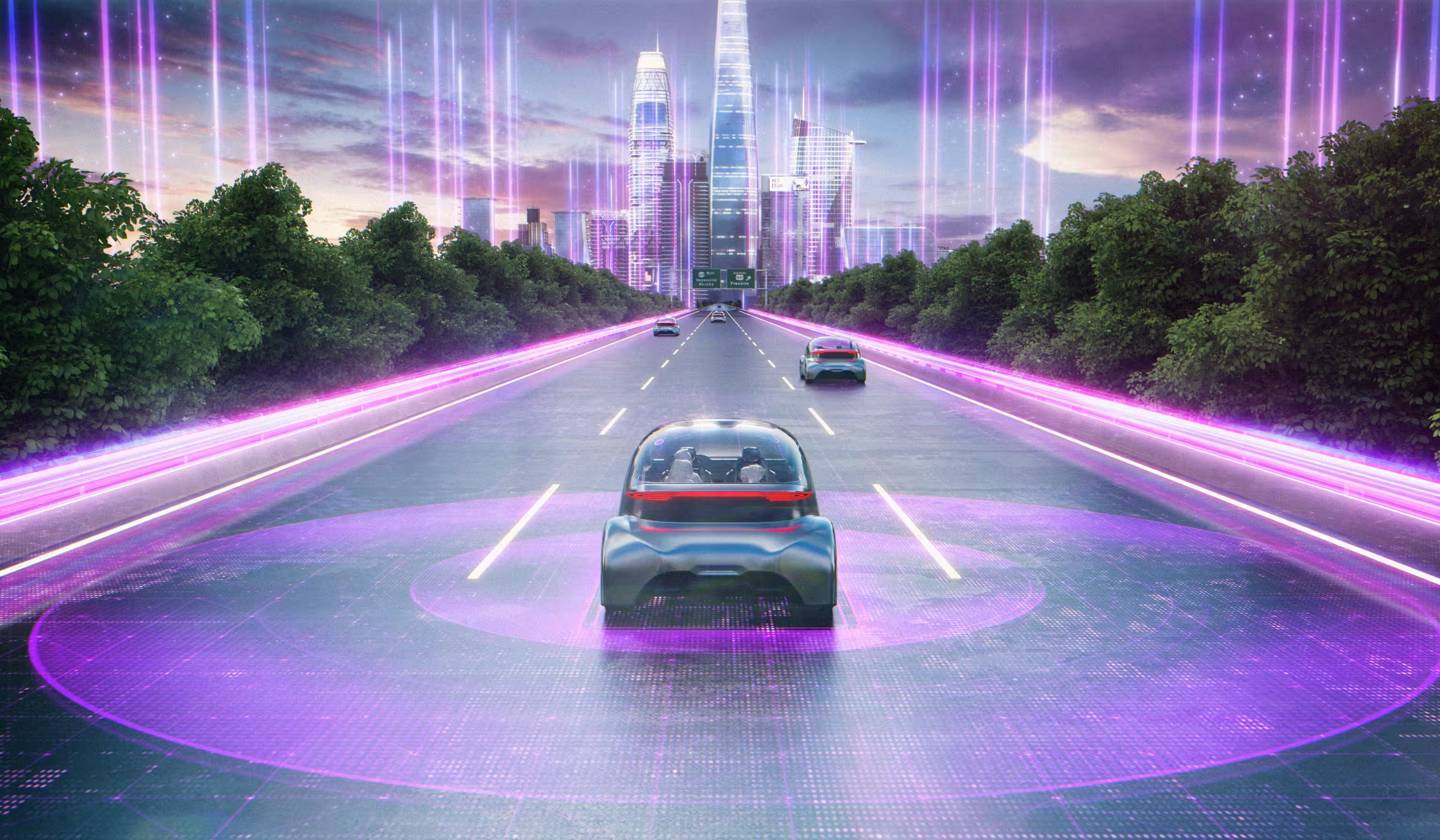
Korean studio DIVO Production demonstrates how flexible rendering infrastructure can support modern VFX workflows. The studio works on commercials, films, music videos, and digital content, combining CG production with technologies such as Unreal Engine and AI assisted video creation.
For promotional projects involving LG Uplus Data Center and LG CNS, the studio used Maya and V Ray to produce complex 3D visuals. Rendering locally could create significant delays, particularly when client feedback required additional revisions. By using GarageFarm.NET, DIVO Production was able to handle large rendering workloads while maintaining more flexibility in its production schedule.
“A render farm was absolutely essential for projects that could not be handled internally due to resource constraints.” - HeeKwang Yoon, CEO and VFX Supervisor at DIVO Production
The studio's experience reflects an important production consideration: reducing rendering time can give artists more opportunities to review, revise, and improve their work before delivery.
The skills VFX artists need are evolving
As AI, procedural tools, and real time technologies become more common, VFX artists increasingly benefit from understanding how different parts of a production pipeline work together.
Traditional skills such as composition, lighting, animation, color, and visual storytelling remain essential. At the same time, technical knowledge can help artists work more efficiently and adapt to new production methods. Some increasingly useful areas of expertise include:
- AI assisted workflows: Understanding where automation can help and when manual adjustments are necessary.
- Procedural techniques: Using systems such as Houdini to create effects and animations that can respond to changing inputs.
- Real time engines: Working with interactive environments for previsualization and virtual production.
- Rendering optimization: Understanding scene complexity, hardware requirements, and rendering costs.
- Pipeline integration: Managing assets and maintaining compatibility between different applications.
These skills are particularly valuable in smaller teams, where artists may work across several production stages rather than specializing in a single task.
The challenges of modern VFX production
New production technologies can improve efficiency, but adopting them also introduces practical challenges. Studios need to consider whether a new tool genuinely benefits their workflow before incorporating it into an established pipeline. Several challenges remain particularly relevant:
- Creative control: AI generated content and automated tools may require extensive refinement to meet precise artistic requirements.
- Compatibility: Software, plugins, and file formats do not always transfer seamlessly between applications.
- Production costs: Hardware upgrades, cloud computing, and software subscriptions can create additional expenses.
- Training: Artists need time to understand new tools and integrate them into existing processes.
A faster individual task does not necessarily make an entire production faster. Improvements are most useful when they also support reliable collaboration, predictable results, and manageable production costs.
What the future of VFX could look like
The future of VFX will likely involve closer integration between creative applications, computing infrastructure, and automation. Several developments are already influencing how studios approach production.
More AI and procedural automation - AI assisted tools could become more deeply integrated into established VFX applications, helping artists with tasks such as cleanup, asset preparation, and selected stages of compositing. Procedural systems may also continue expanding opportunities to generate complex environments, simulations, and animation through adjustable rules.
Closer integration between real time and offline rendering - Real time engines are becoming more capable, creating opportunities to reuse digital assets across previsualization, virtual production, and final rendering workflows.Offline rendering will continue to serve projects that require detailed lighting, complex effects, and precise image quality. Studios may increasingly combine these approaches according to the requirements of individual shots rather than relying on a single rendering method.
More flexible access to computing power - Cloud rendering and remote workstations could make demanding production workflows more accessible to independent artists and smaller studios. Instead of permanently expanding local hardware, production teams can access additional computing resources when their projects require them. This flexibility may become particularly useful as artists work with more complex scenes, higher output resolutions, and increasingly detailed digital environments.
Commonly asked questions about VFX production
- How is AI changing VFX production? AI is helping artists automate selected tasks such as rotoscoping, segmentation, cleanup, and image enhancement. It can also assist with concept development and early visualization, although professional workflows still require substantial artistic control.
- Will AI replace VFX artists? AI may change how certain production tasks are completed and how responsibilities are distributed. However, complex VFX projects still depend on creative direction, technical expertise, and the ability to produce consistent results across multiple shots.
- What is the difference between real time and offline rendering in VFX? Real time rendering prioritizes interactive feedback, making it useful for visualization and virtual production. Offline rendering generally allows more computationally demanding calculations and is commonly used for detailed final imagery.
- Why do VFX studios use render farms? Render farms distribute rendering workloads across multiple computers, allowing compatible frames to be processed in parallel. This can help studios complete demanding animation projects and manage production deadlines.
- Can smaller VFX studios benefit from cloud rendering? Yes. Cloud rendering can provide access to additional computing capacity without requiring studios to purchase extensive local hardware. Its suitability depends on rendering requirements, software compatibility, project size, and cost.
Conclusion

VFX production continues to evolve as artificial intelligence, real time rendering, cloud computing, and more connected production pipelines become part of everyday creative work. These technologies offer artists new ways to develop ideas, manage demanding projects, and collaborate across different stages of production. The future of VFX will likely involve combining traditional production expertise with more flexible tools and infrastructure. Studios that understand where these technologies provide practical benefits can build workflows that support both creative experimentation and reliable final delivery.
Register Now and Get $50 FREE Credits!